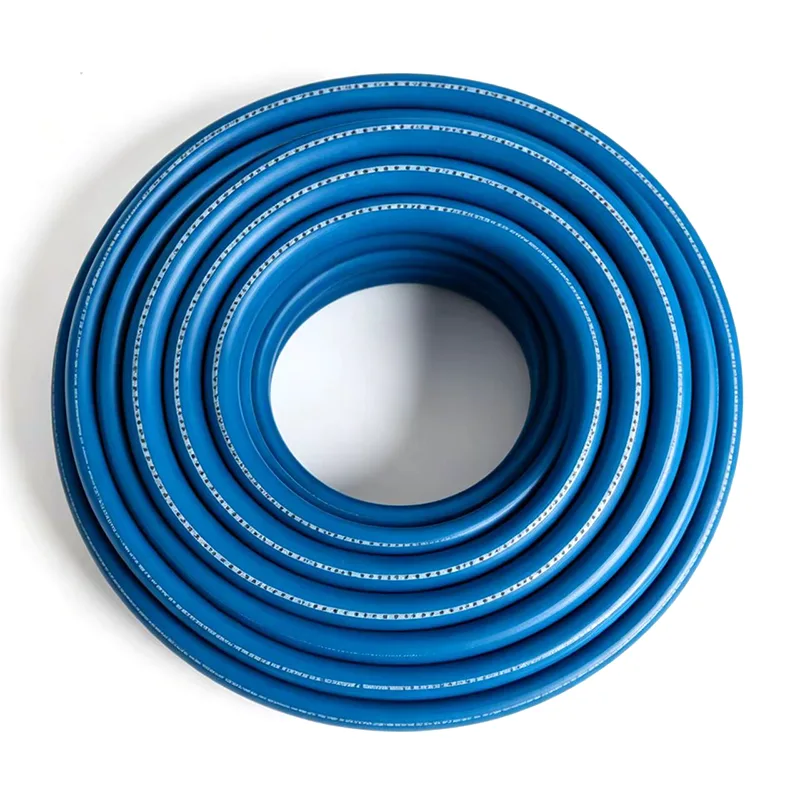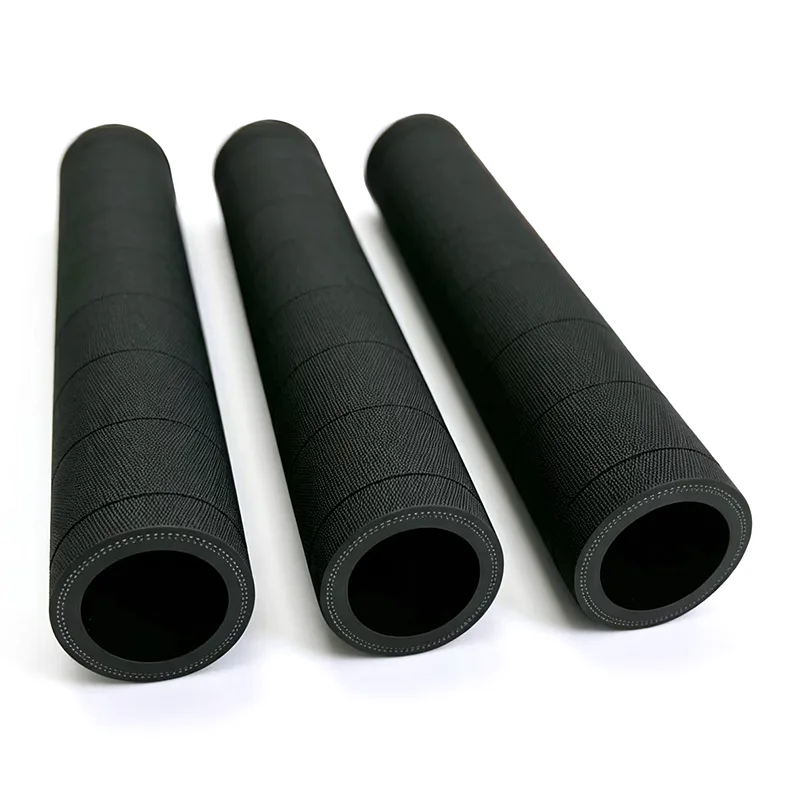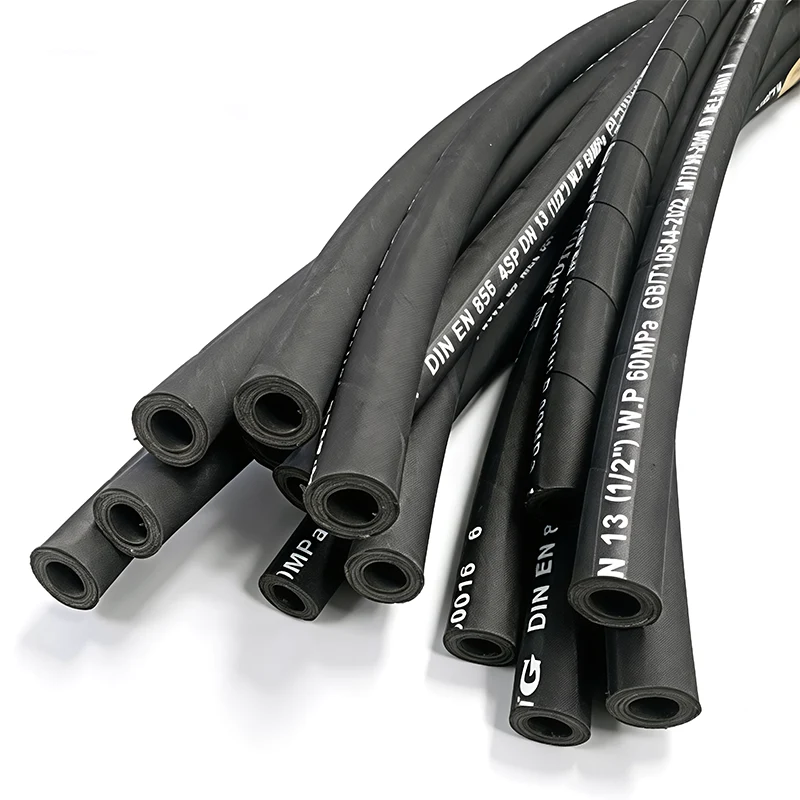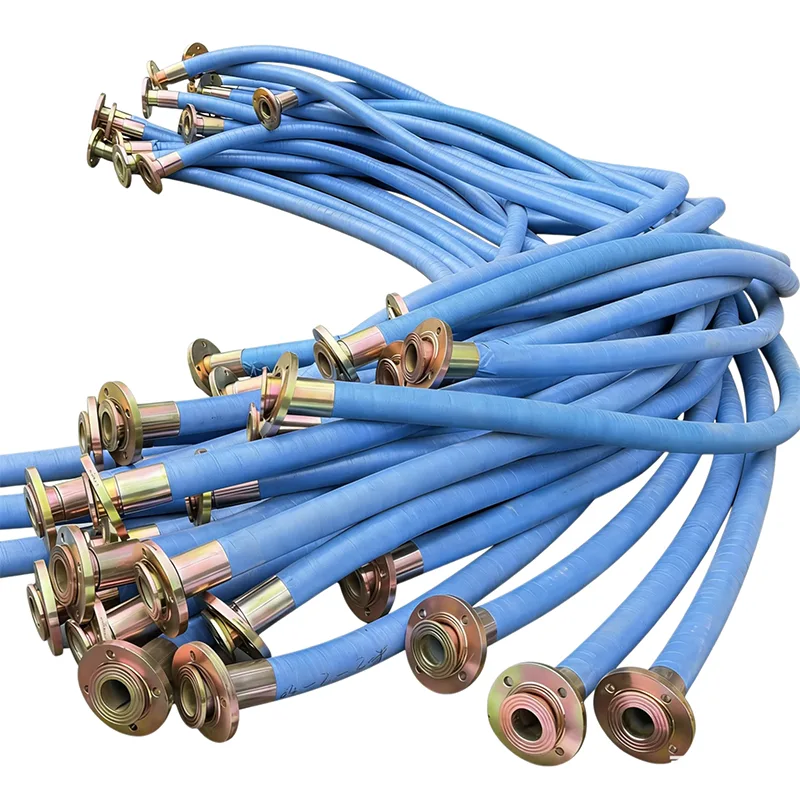

A reliable fluid transfer system depends heavily on selecting the right hose solution. A Low Pressure Rubber Hose is designed to provide flexible, durable, and cost-effective performance for applications where moderate pressure resistance, excellent adaptability, and stable transportation are required. From agriculture and construction to automotive maintenance and industrial equipment, choosing the correct hose can reduce downtime, prevent leakage problems, and improve operational efficiency.

This article explains how low pressure rubber hoses work, why they are widely used, what factors affect their performance, and how businesses can choose the right product for their specific applications. With professional manufacturing experience, Hengshui Zhehan Rubber & Plastic Products Co., Ltd. provides rubber hose solutions designed to meet different industrial requirements.
In many industrial systems, fluid transportation requires a flexible connection that can handle movement, vibration, and environmental changes. Traditional rigid pipes may provide strength, but they often lack flexibility and installation convenience. This is where a Low Pressure Rubber Hose becomes an effective solution.
Unlike high-pressure hydraulic hoses designed for extreme working conditions, low pressure rubber hoses focus on flexibility, lightweight construction, and reliable performance under moderate pressure environments. They are commonly used for transporting water, air, gas, oil-based fluids, and other compatible materials.
A properly designed low pressure rubber hose helps solve several common industrial challenges:
A low pressure rubber hose works by creating a flexible pathway for fluid or gas transportation. Its structure usually contains multiple layers, with each layer performing a specific function.
| Hose Structure | Main Function |
|---|---|
| Inner Rubber Layer | Provides direct contact with transported materials and offers resistance against wear and chemical influence. |
| Reinforcement Layer | Improves pressure resistance and maintains hose shape during operation. |
| Outer Rubber Cover | Protects the hose from weather, abrasion, aging, and external damage. |
When fluid enters the hose, the flexible rubber structure absorbs mechanical stress caused by vibration, bending, or movement. The reinforcement layer helps maintain stability, while the rubber materials provide sealing performance and durability.
The manufacturing process and material selection directly influence hose reliability. Professional manufacturers carefully control rubber formulation, reinforcement design, and production processes to ensure consistent quality.
Many industries choose low pressure rubber hoses because they provide a balance between performance, flexibility, and economic value.
| Advantage | Benefit for Users |
|---|---|
| High Flexibility | Allows easier installation in complex equipment layouts. |
| Excellent Vibration Absorption | Protects connected equipment from mechanical stress. |
| Lightweight Design | Makes transportation and installation more convenient. |
| Good Environmental Resistance | Supports outdoor and industrial operating conditions. |
| Cost Efficiency | Provides reliable performance without unnecessary material costs. |
For companies managing large-scale equipment systems, reducing unexpected hose failure is an important goal. A high-quality low pressure rubber hose can improve productivity by maintaining stable operation and reducing frequent replacement requirements.
Low pressure rubber hoses are widely applied in different industries because of their adaptability and practical performance.
Different working environments require different rubber compounds, diameters, reinforcement structures, and connection methods. Therefore, selecting a suitable hose design is essential for long-term performance.
Choosing the correct hose requires evaluating several technical factors. A wrong selection may result in leakage, premature wear, or reduced equipment efficiency.
| Selection Factor | Important Consideration |
|---|---|
| Working Pressure | Select a hose that matches the system pressure requirements. |
| Temperature Range | Ensure the rubber material can handle operating temperatures. |
| Fluid Compatibility | Confirm the hose material is suitable for the transported medium. |
| Size Requirements | Choose correct inner diameter and length for efficient flow. |
| Working Environment | Consider abrasion, weather exposure, and installation conditions. |
Hengshui Zhehan Rubber & Plastic Products Co., Ltd. focuses on producing rubber hose solutions that meet diverse industrial requirements. Through professional manufacturing processes and strict quality management, the company helps customers find suitable hose products for different applications.
Even high-quality hoses require proper maintenance. Regular inspection can prevent unexpected failures and improve safety.
Proper storage is also important. Hoses should be kept away from direct sunlight, extreme temperatures, and harmful substances when not in use.
| Feature | Low Pressure Rubber Hose | High Pressure Hose |
|---|---|---|
| Main Purpose | General fluid and air transfer | High-pressure industrial applications |
| Flexibility | Excellent flexibility | Usually more rigid |
| Installation | Easy installation | Requires stronger fittings |
| Cost | More economical | Higher investment |
| Typical Usage | Agriculture, construction, general industry | Hydraulic systems and heavy-duty equipment |
Understanding the differences between hose types helps buyers avoid unnecessary costs while ensuring equipment safety and efficiency.
A Low Pressure Rubber Hose is a flexible hose designed for transporting fluids or gases under moderate pressure conditions. It is commonly used where flexibility and durability are more important than extreme pressure resistance.
Service life depends on material quality, working environment, operating temperature, pressure conditions, and maintenance practices. Proper selection and regular inspection can significantly extend hose performance.
Yes. Many manufacturers provide customization options including diameter, length, material selection, reinforcement structure, and connection methods to meet specific application needs.
Regular inspection, correct installation, avoiding excessive bending, and selecting a hose suitable for the working environment are effective ways to reduce failure risks.
A reliable Low Pressure Rubber Hose plays an important role in improving fluid transfer efficiency, reducing maintenance problems, and supporting stable industrial operations. Its flexibility, durability, and cost advantages make it a practical choice for many industries.
With professional experience and a commitment to product quality, Hengshui Zhehan Rubber & Plastic Products Co., Ltd. provides dependable rubber hose solutions designed for different application environments. Whether you need standard products or customized hose solutions, choosing the right manufacturer can make a significant difference in long-term performance.
For more information about high-quality Low Pressure Rubber Hose products and customized solutions, please contact us today. Our professional team is ready to provide suitable recommendations and support your industrial hose requirements.