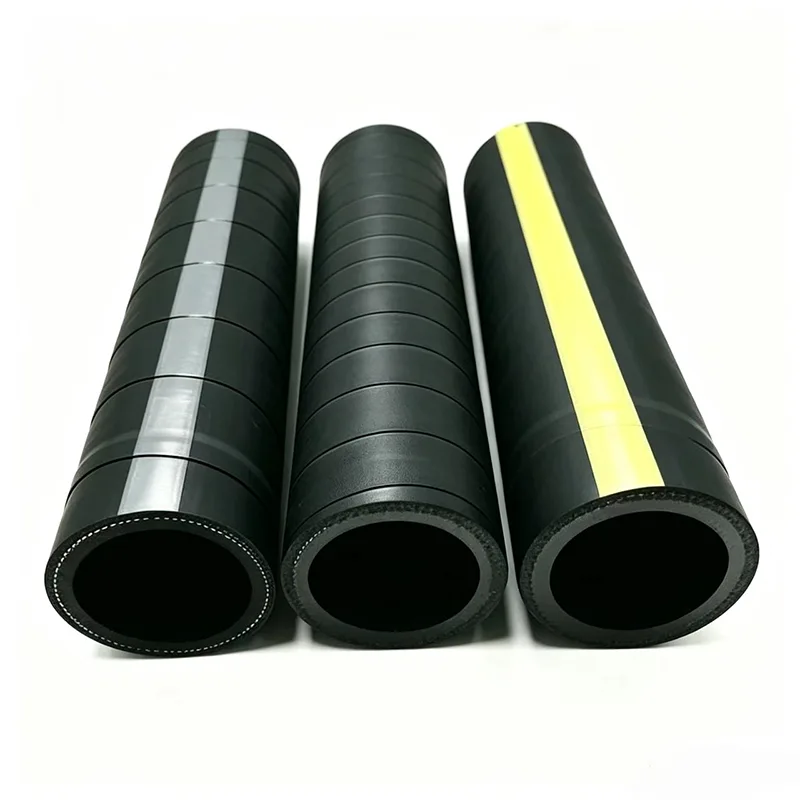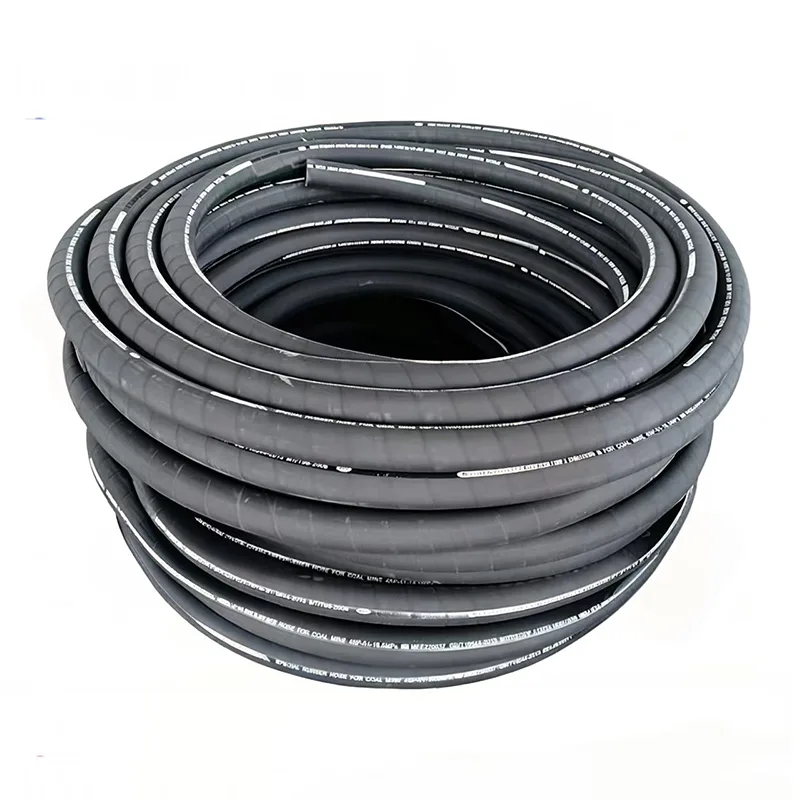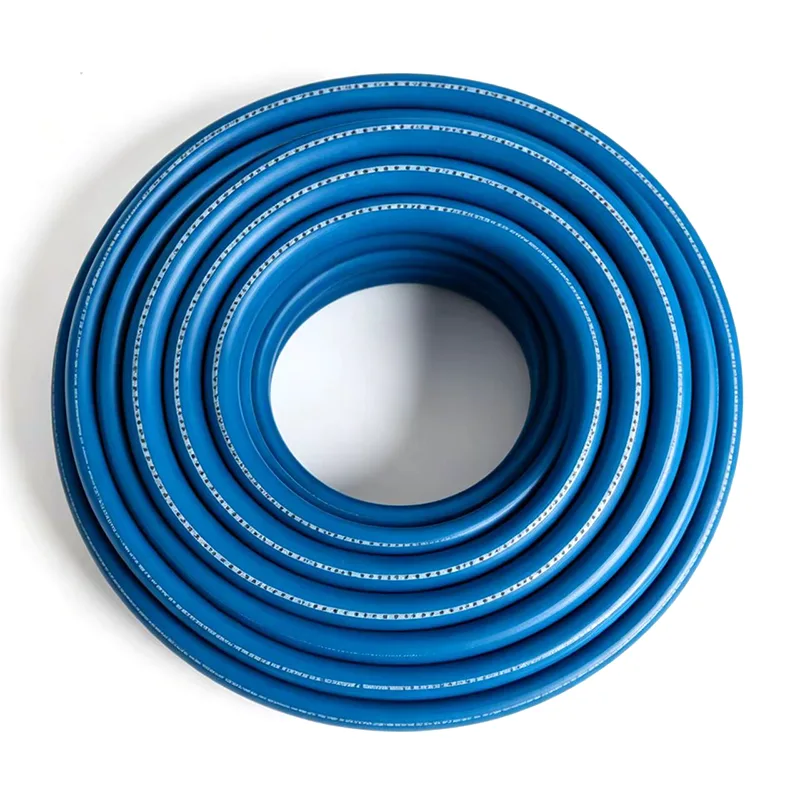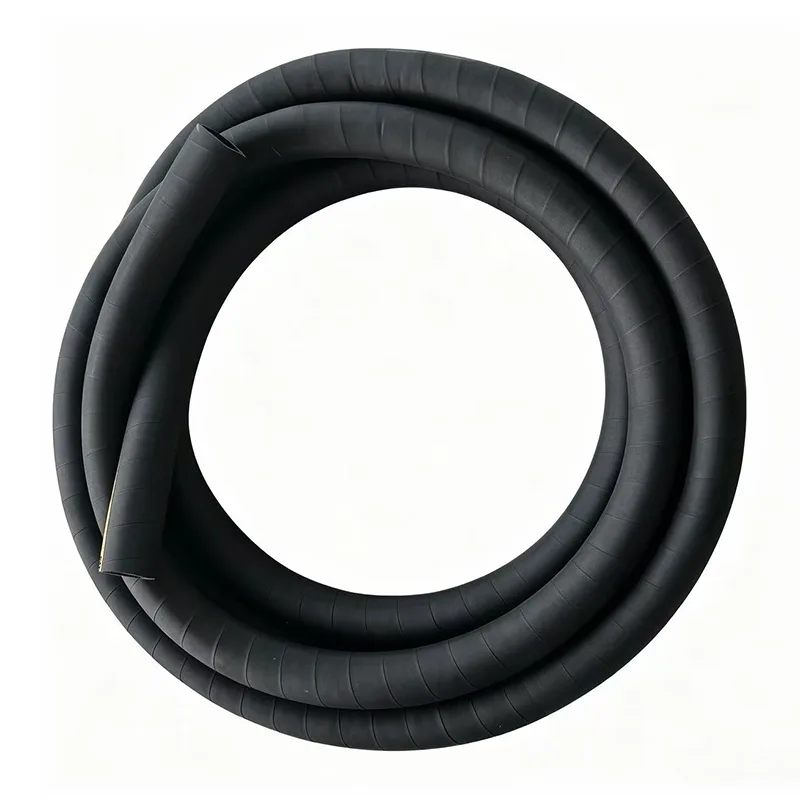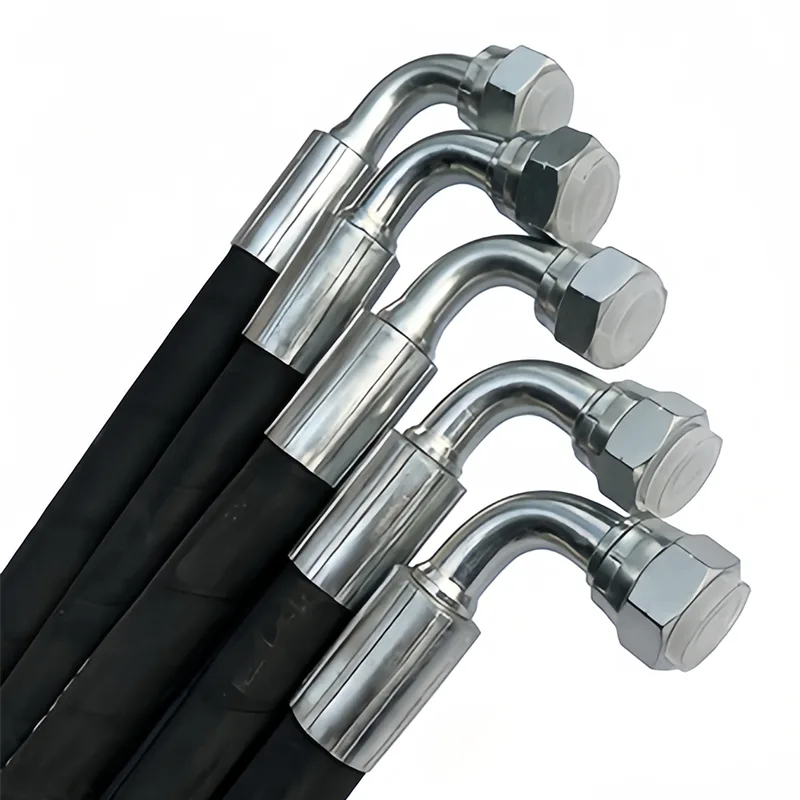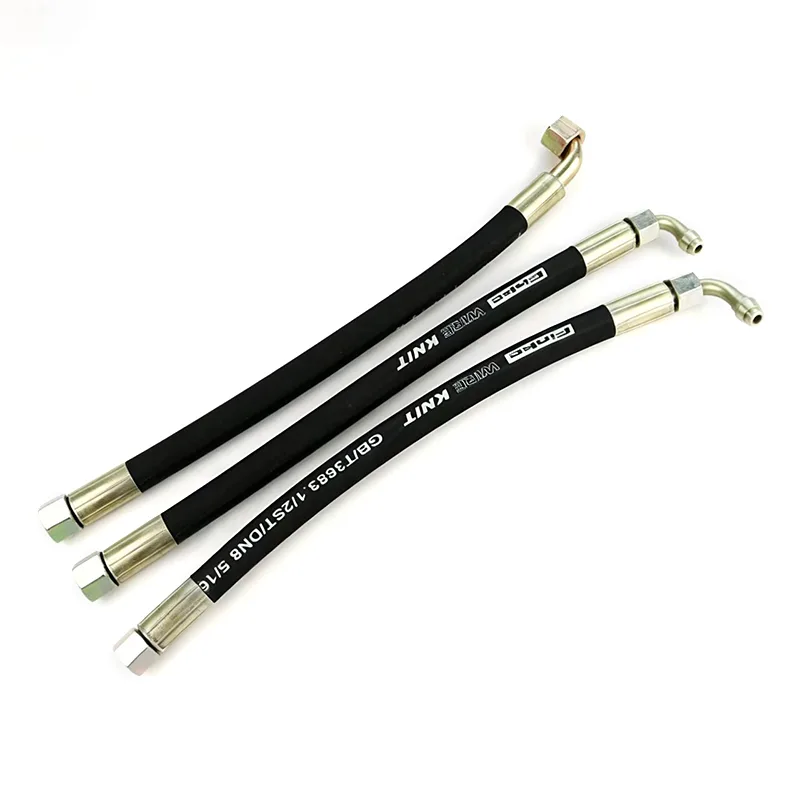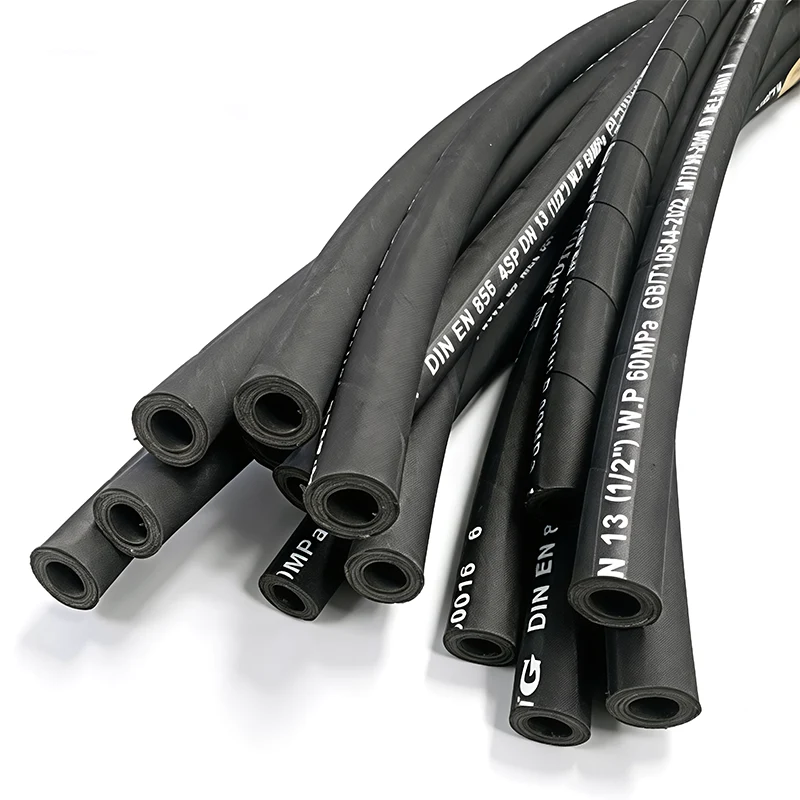

Hengshui Zhehan Rubber & Plastic Products Co., Ltd. develop, produce, and deliver hydraulic rubber hoses covering the full range of mobile and industrial applications: construction machinery, agricultural equipment, automotive systems, mining, and marine. All hoses are manufactured to ISO, EN, and SAE standards, and we supply both off-the-shelf and custom-engineered solutions to buyers worldwide.
This Marine Hydraulic Hoses are built specifically for hydraulic systems on vessels and offshore equipment, where continuous exposure to salt spray, humidity, and seawater demands a different level of protection than standard industrial hoses.
What is the real difference between a marine hydraulic hose and a common hydraulic rubber hose?
The difference is in the material and construction choices made specifically to resist salt-spray corrosion, seawater degradation, and the aging effect of a high-humidity marine atmosphere — factors that standard hoses are not formulated to handle over the long term.
| Parameter | Specification |
|---|---|
| Product | Marine Hydraulic Hose |
| Standard | ISO 11237 |
| Nominal Diameter (mm) | 6.3 – 51 |
| Max Working Pressure (MPa) | 15 – 35 |
| Min Burst Pressure (MPa) | 60 – 140 |
| Working Temperature Range | -35°C to +110°C |
| Compatible Media | Hydraulic oil, seawater, corrosion-inhibited fluids |
| Key Characteristics | Salt-spray resistant, corrosion resistant, marine-grade aging resistance |
We use a proprietary anti-corrosion rubber compound for both the inner tube and outer cover. The inner tube resists degradation from hydraulic oil and seawater, while the outer cover undergoes a special anti-salt-spray treatment. This provides long-term protection against ocean salt mist, damp-induced aging, and direct seawater contact — effectively preventing cracking, delamination, and leakage. The hose is also reinforced for tensile strength and shock resistance, so it can handle the constant vibration, pitching, and rolling common at sea. Its weather resistance allows stable operation across a -35°C to +110°C temperature range, meeting the demands of marine temperature extremes. The hose has passed multiple certifications required for marine component export.
They are installed across cargo ships, fishing vessels, yachts, workboats, offshore drilling platforms, and marine construction machinery. Typical applications include hydraulic steering and control systems, lifting and hoisting mechanisms, and power transmission circuits, serving all segments of maritime transport, offshore engineering, and port operations.