
Industrial purchasing customers often ask: What parts make up the internal structure of fabric-reinforced rubber hose? What key points need to be controlled in a mature fabric-reinforced rubber hose production process? As a professional hose manufacturer, Hebei Zhehan Rubber & Plastic Products Co., Ltd. has been deeply engaged in the R&D and production of fabric-reinforced rubber hose for many years. Today, in a Q&A format, we will break down the structural logic and complete production process of fabric-reinforced rubber hose, helping overseas and domestic purchasers understand the core quality control points of the product.

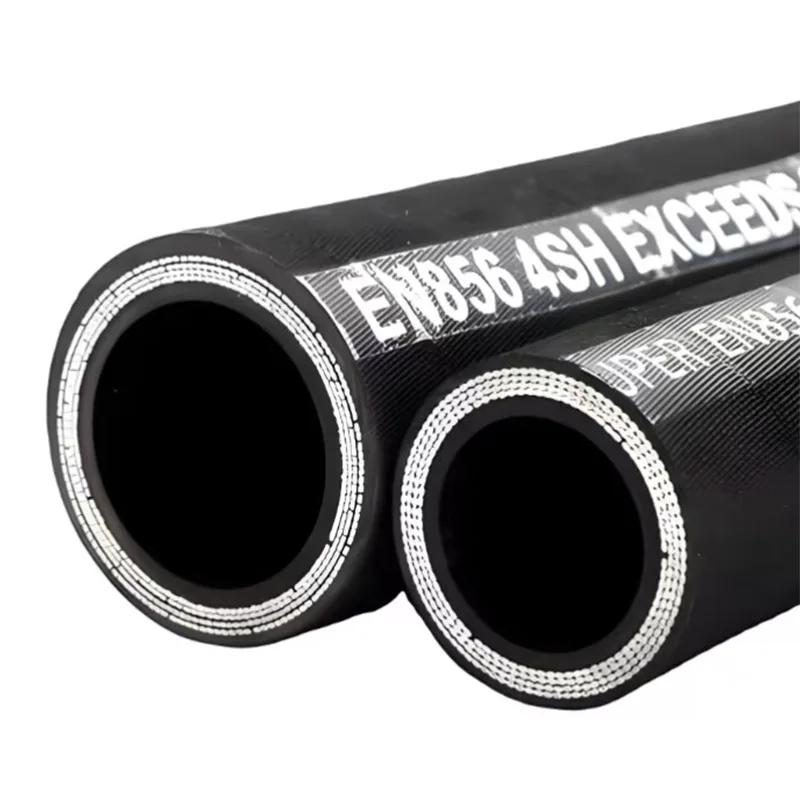
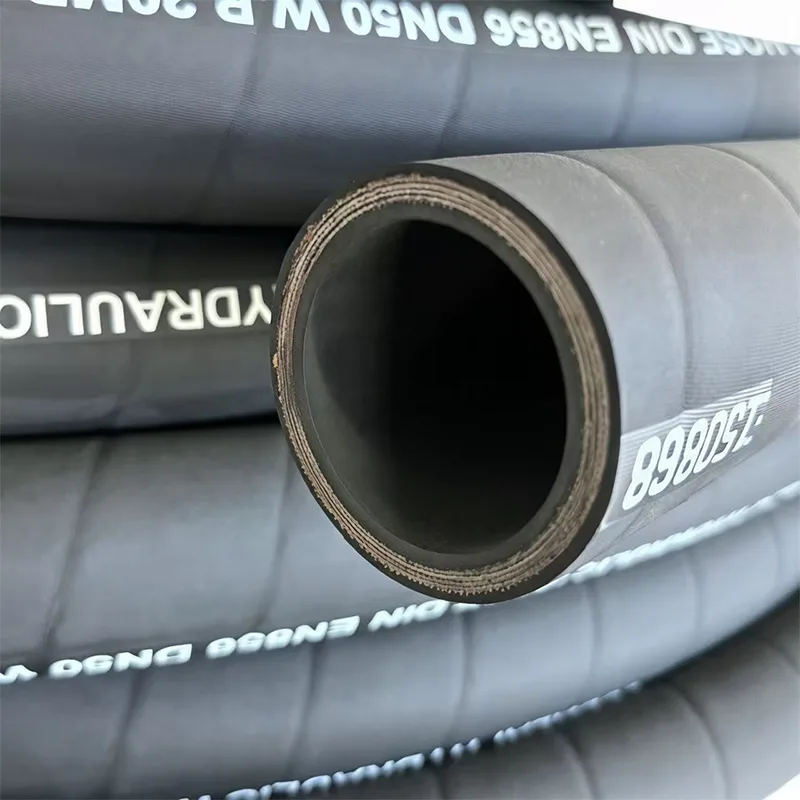
A: A qualified fabric-reinforced rubber hose is mainly divided into three core structures: the inner rubber layer, the fabric reinforcement skeleton layer, and the outer rubber layer. Some negative pressure suction and discharge models will also add a spiral steel wire layer for anti-negative pressure protection. First, the inner rubber layer directly contacts the conveyed medium. According to different media such as water, oil, acid and alkali, and steam, the corresponding rubber formula is matched to achieve corrosion resistance and low permeability, preventing medium leakage from damaging the skeleton. Second, the fabric reinforcement layer is the core of hose pressure bearing. It uses multiple layers of dipped polyester or nylon canvas wound at set angles. The number of fabric layers directly determines the working pressure rating of the hose. Third, the outer rubber layer provides external protection and has wear resistance, ozone resistance, and aging resistance, resisting outdoor and construction site sand and gravel friction and environmental erosion. The three layers are tightly bonded. Once interlayer debonding occurs, the service life of the hose will be directly shortened.
A: The complete production of fabric-reinforced rubber hose at Hebei Zhehan Rubber & Plastic Products Co., Ltd. mainly includes six major processes: mixing, inner rubber extrusion, fabric winding and wrapping, outer rubber covering, vulcanization, and post-treatment inspection. First, rubber mixing is carried out, and rubber raw materials are formulated according to working conditions to ensure that the physical properties of the rubber compound meet the standards. Then the inner rubber layer is extruded by an extruder, and the thickness tolerance is strictly controlled. Next, dipped canvas is spirally wound around the outside of the inner rubber tube blank at a set angle. The higher the pressure rating, the more fabric layers are wound. After that, the outer rubber layer is wrapped to form the overall tube blank. The most critical step is vulcanization. Through steam vulcanization, the rubber and the fabric skeleton are firmly bonded. Under-vulcanization will cause delamination, while over-vulcanization will make the hose body brittle and prone to cracking. After vulcanization is completed, cutting, appearance inspection, burst pressure, and air tightness sampling tests are carried out. Only after all tests pass can the product leave the factory and be delivered to customers.

A: Many low-priced fabric-reinforced rubber hoses on the market reduce costs in fabric raw materials, vulcanization time, and rubber formulas. Problems may not be visible in the short term, but after being put into use, failures such as bursting, delamination, and leakage are likely to occur. Hebei Zhehan Rubber & Plastic Products Co., Ltd. controls the entire process from raw material warehousing to finished product testing. It can customize fabric-reinforced rubber hose with different inner diameters, numbers of fabric layers, and media-resistant formulas, suitable for multiple scenarios such as water conveyance, oil conveyance, compressed air conveyance, agricultural irrigation, and mining and industrial sites. Drawing customization and bulk supply are supported.
In summary, only by understanding the three-layer internal structure of fabric-reinforced rubber hose and key production processes such as vulcanization and winding can you select a durable and reliable fabric-reinforced rubber hose. Hebei Zhehan Rubber & Plastic Products Co., Ltd. continues to refine the production process of fabric-reinforced rubber hose, relying on standardized production lines to output stable-performance fabric-reinforced rubber hose products for global customers. Industrial customers are welcome to consult and connect.