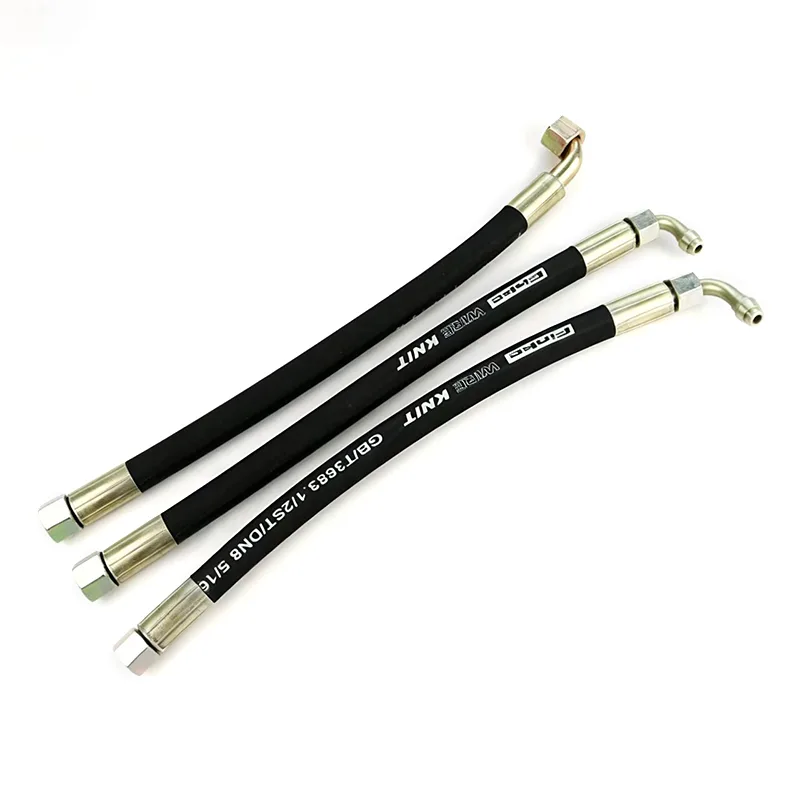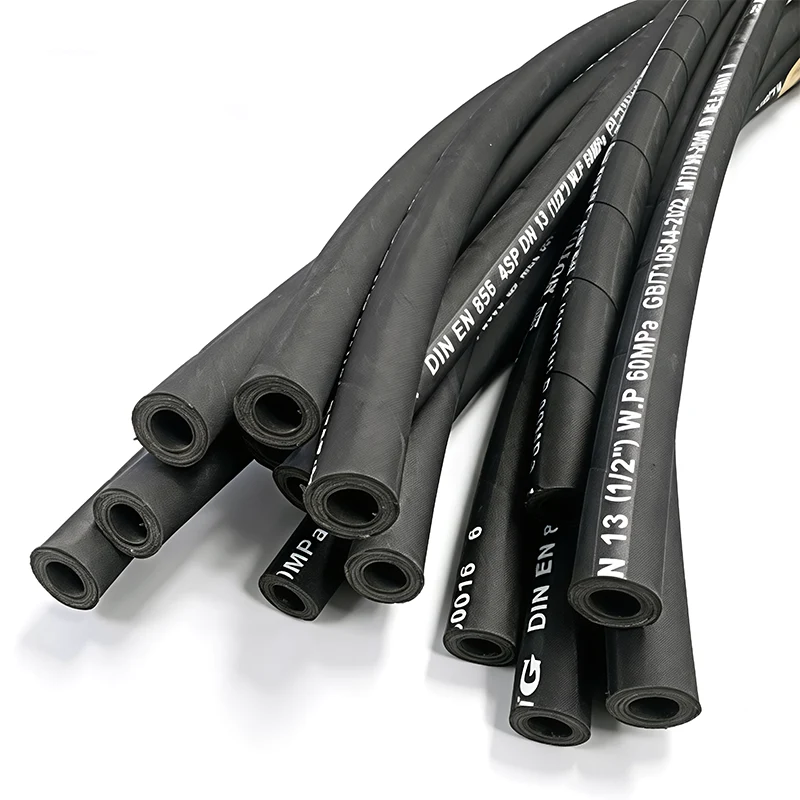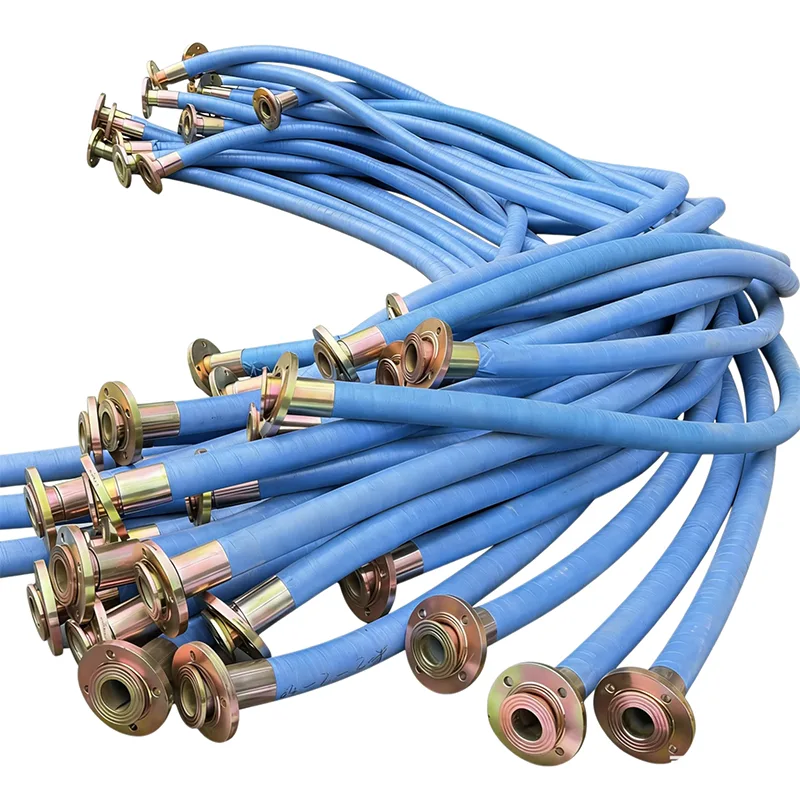

In the demanding world of construction, equipment performance hinges on the reliability of its hydraulic systems. From excavators and loaders to cranes and bulldozers, hydraulic power is the lifeblood of these machines, enabling them to lift, dig, and move massive loads. At the heart of these hydraulic systems lies the flexible hydraulic hose—a component that is often underestimated, yet critical for overall performance. A flexible hydraulic hose does more than just transport fluid; it absorbs vibration, accommodates machine articulation, resists abrasion, and maintains consistent pressure delivery under the most extreme conditions. At Hengshui Zhehan Rubber & Plastic Products Co., Ltd., our factory has been manufacturing high-performance Flexible Hydraulic Hose for over 20 years, and we have witnessed firsthand how the right hose can transform equipment reliability, reduce downtime, and enhance productivity.
The advantages of flexible hydraulic hoses over rigid piping are numerous and significant. Rigid pipes cannot accommodate the movement of articulated joints, causing stress and potential failure points. Flexible hoses, on the other hand, bend and flex with the machine, absorbing shock loads and reducing the transmission of vibration to sensitive components such as pumps, valves, and cylinders. Furthermore, the advanced materials used in our Flexible Hydraulic Hose—including high-tensile steel wire reinforcement and synthetic rubber compounds—provide exceptional resistance to abrasion, weathering, and hydraulic fluid degradation. This means that equipment spends less time in the repair bay and more time on the job site. In this comprehensive guide, we will delve into the engineering, material science, and practical benefits of flexible hydraulic hoses, provide detailed technical specifications, and share maintenance best practices from our factory's extensive field experience. Whether you are a fleet manager, an equipment operator, or a maintenance engineer, this article will help you understand why the flexible hydraulic hose is a cornerstone of modern construction machinery performance.

Construction equipment operates in a brutal environment characterized by constant jarring, heavy loads, and extreme angles of articulation. Rigid hydraulic lines are unable to absorb the stresses caused by machine movement, leading to concentrated stress at connection points, fatigue cracks, and eventual failure. A Flexible Hydraulic Hose, by contrast, is designed to bend, twist, and flex with the equipment, effectively absorbing and distributing mechanical energy. This flexibility prevents stress concentration, reduces the risk of fatigue failures, and significantly extends the service life of the hydraulic system. Our factory at Hengshui Zhehan Rubber & Plastic Products Co., Ltd.engineers Flexible Hydraulic Hose with a unique construction that balances flexibility with high pressure resistance, ensuring that the hose moves with the machine while maintaining fluid integrity.
Key stress-reduction mechanisms of Flexible Hydraulic Hose:
A practical example from a construction site in Singapore highlights the impact of flexible hoses on system reliability. An excavator fleet was experiencing frequent hydraulic line failures due to vibration fatigue. The rigid lines used in the arm section were cracking at the weld points every few hundred hours. After switching to our Flexible Hydraulic Hose, the failure rate dropped by 85 percent, and the excavators were able to work longer between maintenance intervals. The fleet manager reported that the new hoses also reduced noise levels in the cab, which was an unexpected benefit for operator comfort. This case demonstrates that flexibility is not just a convenience but a critical factor in reducing mechanical stress and extending equipment life.
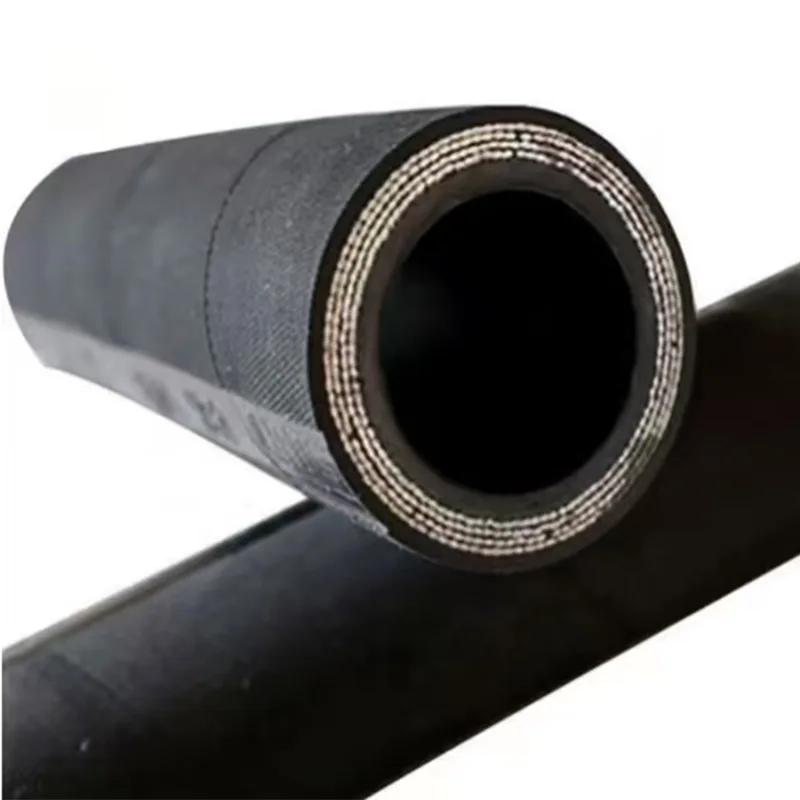
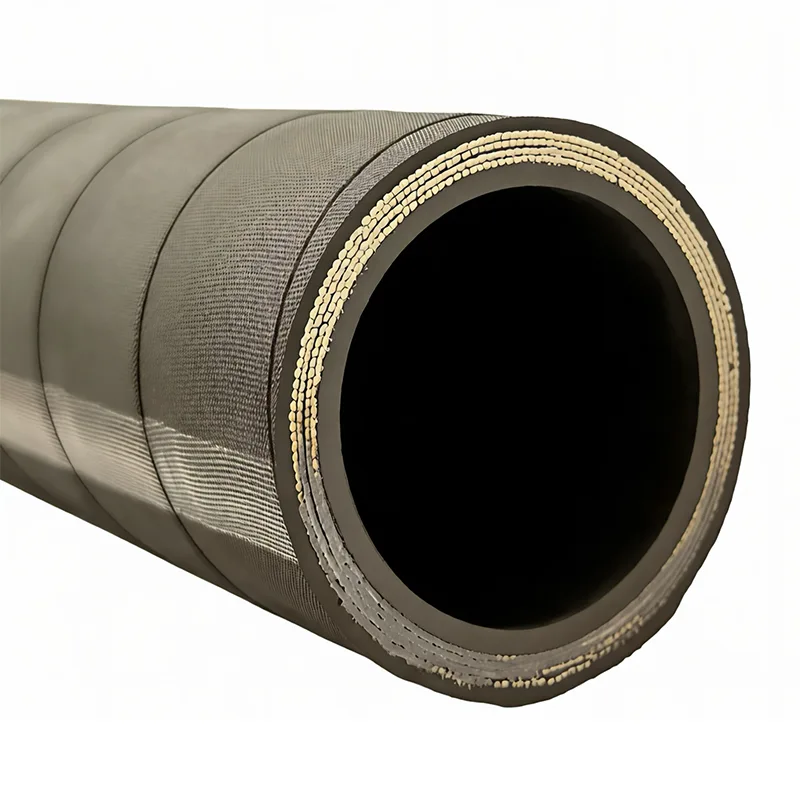
Furthermore, the flexibility of our Flexible Hydraulic Hose is achieved through a careful balance of materials and construction. The inner tube is made from a high-performance nitrile rubber that resists oil degradation, while the reinforcement layers use high-tensile steel wire braid or spiral wrapping. The outer cover is a tough synthetic rubber that protects against abrasion and cuts. This composite construction allows the hose to maintain its flexibility even at extreme pressures, ensuring consistent performance over the hose's service life. Our factory conducts rigorous flexure testing on every batch of Flexible Hydraulic Hose, simulating millions of bending cycles to ensure that the hose does not lose its flexibility or develop cracks. This commitment to quality ensures that our hoses deliver on the promise of reduced system stress and improved equipment uptime.
Construction sites are notoriously harsh environments. Hoses are dragged across rough concrete, exposed to UV radiation, and splashed with oil, chemicals, and water. The outer cover of a Flexible Hydraulic Hose is the first line of defense against these elements. Our factory uses a specially formulated synthetic rubber compound for the outer cover that offers exceptional abrasion resistance, weatherability, and chemical compatibility. This means that the hose can withstand the constant abrasive action of moving components and debris, reducing the risk of cover damage that could lead to reinforcement exposure and eventual failure. By protecting the reinforcement layers, the outer cover extends the hose's service life and ensures that the equipment remains in operation for longer periods between replacements.
Key protection features of our Flexible Hydraulic Hose outer cover:
A case study from a mining operation in Australia illustrates the importance of abrasion resistance. The mining company was using standard hydraulic hoses on their haul trucks, but the hoses were failing every 300 hours due to abrasive wear from contact with rocks and the truck chassis. After switching to our Flexible Hydraulic Hose with the enhanced abrasion-resistant cover, the hose life extended to 1,200 hours—a fourfold increase. The company calculated that this reduced their annual hose replacement costs by over USD 40,000 per truck fleet and significantly improved equipment availability. The hose's weather resistance also meant that the hoses did not degrade during the intense Australian summer heat, further contributing to reliability.
In addition to the outer cover, our Flexible Hydraulic Hose features a high-quality inner tube that is compatible with both mineral oil and synthetic hydraulic fluids. This compatibility prevents the inner tube from swelling or degrading, which could cause a pressure drop or contamination of the hydraulic system. Our factory tests each batch of hose for chemical resistance by immersing samples in a range of hydraulic fluids at elevated temperatures and measuring any change in volume or tensile strength. This rigorous quality control ensures that our Flexible Hydraulic Hose performs reliably in the specific fluids used by our customers. By combining abrasion, weather, and chemical resistance, our Flexible Hydraulic Hose delivers a level of durability that directly translates to less downtime and lower operating costs for construction equipment.
Hengshui Zhehan Rubber & Plastic Products Co., Ltd. manufactures a comprehensive range of Flexible Hydraulic Hose for various construction equipment applications. Our product line includes hoses with different pressure ratings, sizes, and reinforcement layers to suit the specific needs of excavators, loaders, cranes, and other heavy machinery. All our Flexible Hydraulic Hose products are manufactured in accordance with ISO 9001, and meet or exceed the requirements of SAE J517, DIN EN 853, and ISO 1436 standards. The table below summarizes the key technical specifications for our most popular Flexible Hydraulic Hose models, which are used in demanding construction applications worldwide. Our factory can also produce custom hoses to meet specific project requirements, including special lengths, fittings, and protective sleeves.
| Hose Model | Inner Diameter (mm) | Number of Reinforcement Layers | Working Pressure (bar) | Burst Pressure (bar) | Minimum Bend Radius (mm) | Operating Temperature Range | Abrasion Resistance (ASTM D3389) |
| ZH-16-2 | 16 | 2 (steel braid) | 250 | 1000 | 160 | -40°C to +100°C | < 0.8% volume loss |
| ZH-20-2 | 20 | 2 (steel braid) | 215 | 860 | 200 | -40°C to +100°C | < 0.8% volume loss |
| ZH-25-2 | 25 | 2 (steel braid) | 180 | 720 | 250 | -40°C to +100°C | < 0.8% volume loss |
| ZH-16-4 | 16 | 4 (spiral steel wire) | 400 | 1600 | 180 | -40°C to +100°C | < 0.7% volume loss |
| ZH-20-4 | 20 | 4 (spiral steel wire) | 350 | 1400 | 220 | -40°C to +100°C | < 0.7% volume loss |
| ZH-25-4 | 25 | 4 (spiral steel wire) | 300 | 1200 | 280 | -40°C to +100°C | < 0.7% volume loss |
| ZH-32-4 | 32 | 4 (spiral steel wire) | 250 | 1000 | 350 | -40°C to +100°C | < 0.7% volume loss |
In addition to the standard models, our factory offers several optional features to enhance the performance and durability of Flexible Hydraulic Hose. These include a flame-retardant outer cover for mining applications, a non-conductive hose option for use near electrical equipment, and a hose with an integral wear sleeve for areas subject to extreme abrasion. We also offer custom lengths and fittings to suit specific equipment configurations, ensuring that the hose fits perfectly and minimizes stress points.
Our quality control process includes a 100 percent pressure test on every length of Flexible Hydraulic Hose, ensuring that it meets the specified working and burst pressure ratings. We also conduct a flexure test and an impulse test on random samples to verify the hose's long-term durability. Each hose is marked with the production date, model number, and pressure rating, providing full traceability. Our factory at Hengshui Zhehan Rubber & Plastic Products Co., Ltd. maintains a comprehensive inventory of standard hoses and fittings, enabling fast delivery to any location. We also provide a hose assembly service, where we crimp fittings onto the hose to your exact specifications, ensuring a perfect, leak-free connection.
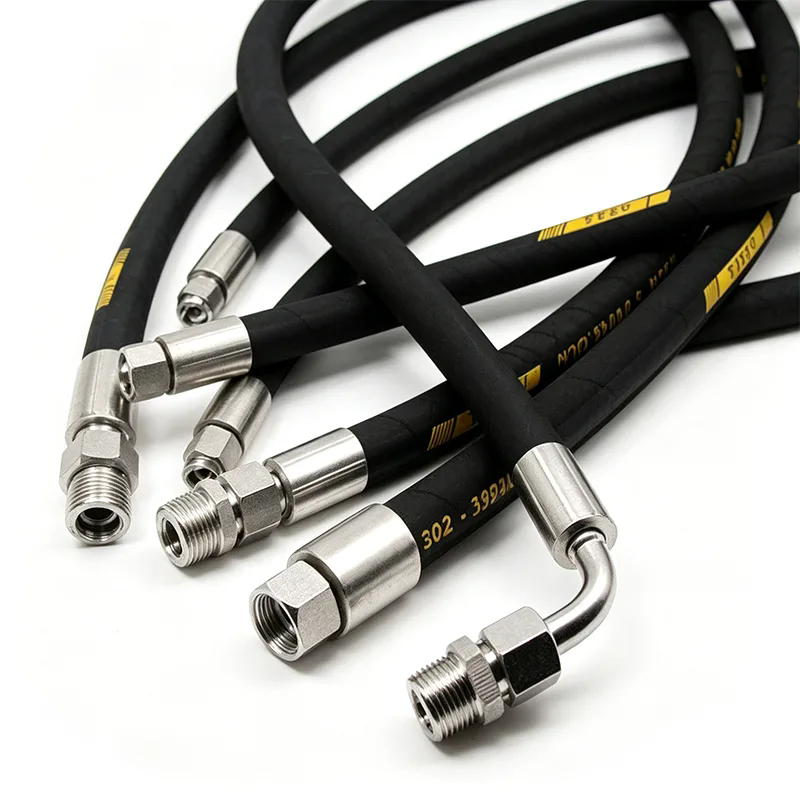
Even the highest-quality Flexible Hydraulic Hose will not deliver its full performance potential if it is not properly installed and maintained. Incorrect routing, inadequate support, and poor fitting installation are common causes of premature hose failure, leading to costly downtime and repair. Our factory at Hengshui Zhehan Rubber & Plastic Products Co., Ltd. has developed a comprehensive set of installation and maintenance guidelines based on decades of field experience. By following these recommendations, construction equipment operators can maximize the service life and performance of their Flexible Hydraulic Hose, ensuring that the equipment remains reliable and productive.
Key installation and maintenance practices for Flexible Hydraulic Hose:
A case study from a road construction company in the United States highlights the impact of proper hose maintenance. The company experienced frequent hydraulic hose failures on their asphalt pavers, often due to chafing and poor routing. After implementing our installation guidelines, including the use of protective sleeves and proper clamping, the hose failure rate dropped by 70 percent. The company also adopted a scheduled inspection and replacement program, which allowed them to identify and replace hoses before they failed, virtually eliminating unplanned downtime. The maintenance manager noted that the investment in proper hose management was recouped within the first year through reduced repairs and increased machine availability.
Our factory provides a comprehensive hose management guide that includes inspection checklists, troubleshooting tips, and a hose lifespan calculator. We also offer on-site training for maintenance teams, covering proper routing, fitting installation, and inspection techniques. In addition, we provide a hose assembly service where we pre-fit hoses with the correct ends, labeled, and ready to install, eliminating the risk of assembly errors on site. By combining high-quality Flexible Hydraulic Hose with proper installation and maintenance, construction equipment operators can achieve the highest level of performance and reliability from their hydraulic systems.
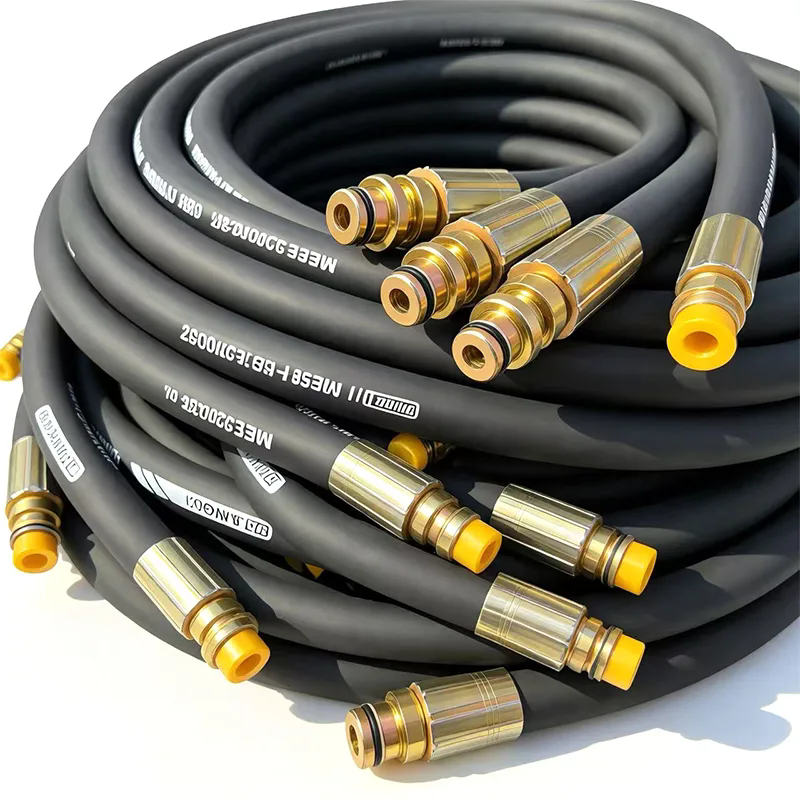
Question 1: What are the signs that a flexible hydraulic hose needs to be replaced?
Answer: The most common signs of impending hose failure include: visible cuts, abrasions, or bulges on the outer cover; cracking or hardening of the cover material; leaks at the fittings; and a noticeable drop in hydraulic pressure or performance. Additionally, if the hose has been in service for more than 2-3 years, or if it has been subjected to a high number of pressure impulses, it should be replaced as a preventive measure. Our factory provides a detailed inspection checklist to help you identify these signs early, allowing you to schedule replacement before a breakdown occurs.
Question 2: Can a flexible hydraulic hose be repaired, or does it need to be replaced?
Answer: Hydraulic hoses are typically not repaired; they are replaced. While minor outer cover damage can sometimes be protected with a repair sleeve, any damage to the reinforcement layers or a leak in the inner tube means the hose must be replaced. Attempting to repair a damaged hose is not recommended, as it compromises the hose's pressure rating and can lead to catastrophic failure. Our factory recommends replacing the entire hose assembly with a new, properly assembled hose to ensure safety and reliability.
Question 3: How does the minimum bend radius affect the performance of a flexible hydraulic hose?
Answer: The minimum bend radius is the smallest radius to which the hose can be bent without causing damage to the reinforcement layers or reducing its pressure rating. Bending the hose tighter than the specified minimum radius can cause the steel wire reinforcement to stretch or crack, significantly reducing the hose's burst pressure and leading to premature failure. Our Flexible Hydraulic Hose specifications include a minimum bend radius for each model, and we recommend adhering to this value during installation to ensure optimal performance and safety.
Question 4: What is the difference between a braided and a spiral-wound hose reinforcement?
Answer: Braided hoses have a single layer or two layers of interwoven steel wire braid, providing excellent flexibility and good pressure resistance for moderate pressure applications. Spiral-wound hoses, on the other hand, have multiple layers of steel wire wound in a spiral pattern, offering higher pressure resistance and better impulse fatigue performance. Spiral hoses are typically used in high-pressure, heavy-duty applications such as excavator boom circuits. Our factory offers both braided and spiral-wound Flexible Hydraulic Hose options, and we can help you select the appropriate reinforcement for your specific application.
Question 5: Does Hengshui Zhehan Rubber & Plastic Products Co., Ltd. offer custom hoses for specific construction equipment?
Answer: Yes, our factory specializes in custom Flexible Hydraulic Hose solutions. We can produce hoses in non-standard lengths, with custom fittings, and with special protective coatings or sleeves. We also offer hose assemblies that are pre-crimped with the exact fitting ends required by your equipment, eliminating the need for on-site assembly. To order a custom hose, simply provide your equipment model, the required pressure rating, and the desired length and fitting type, and our engineering team will design and manufacture the hose to your specifications. We provide fast turnaround and competitive pricing for custom orders.
Flexible hydraulic hoses are a critical component that directly influences the performance, reliability, and uptime of construction equipment. By absorbing vibration, accommodating articulation, resisting abrasion and weather, and maintaining pressure integrity, our Flexible Hydraulic Hose reduces mechanical stress, extends service life, and lowers maintenance costs. At Hengshui Zhehan Rubber & Plastic Products Co., Ltd., our factory has engineered a comprehensive range of Flexible Hydraulic Hose products that meet the stringent demands of the construction industry, with options for various pressure ratings, sizes, and reinforcement types. Our commitment to quality, innovation, and customer support ensures that our hoses deliver exceptional value over their entire service life.
Are you looking to improve the performance and reliability of your construction equipment? Contact Hengshui Zhehan Rubber & Plastic Products Co., Ltd. today for a comprehensive hose consultation. Our team will analyze your equipment and application requirements and recommend the optimal Flexible Hydraulic Hose model, along with installation and maintenance best practices. We offer free samples, competitive pricing, and fast delivery, with a full range of fittings and assembly services. Request your free Flexible Hydraulic Hose consultation now from Hengshui Zhehan Rubber & Plastic Products Co., Ltd. and experience the performance difference that quality hoses can deliver.