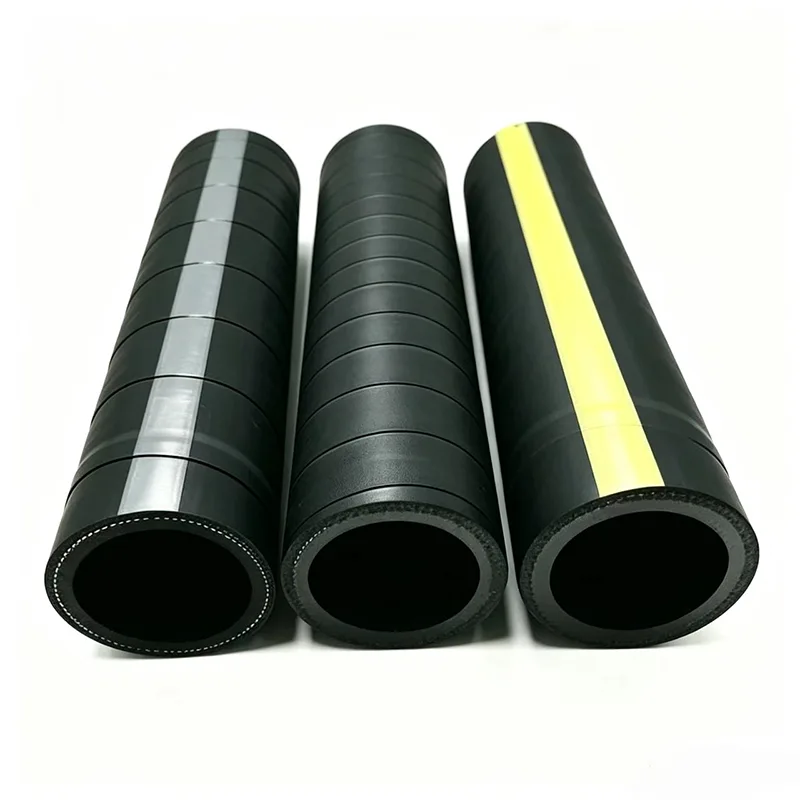
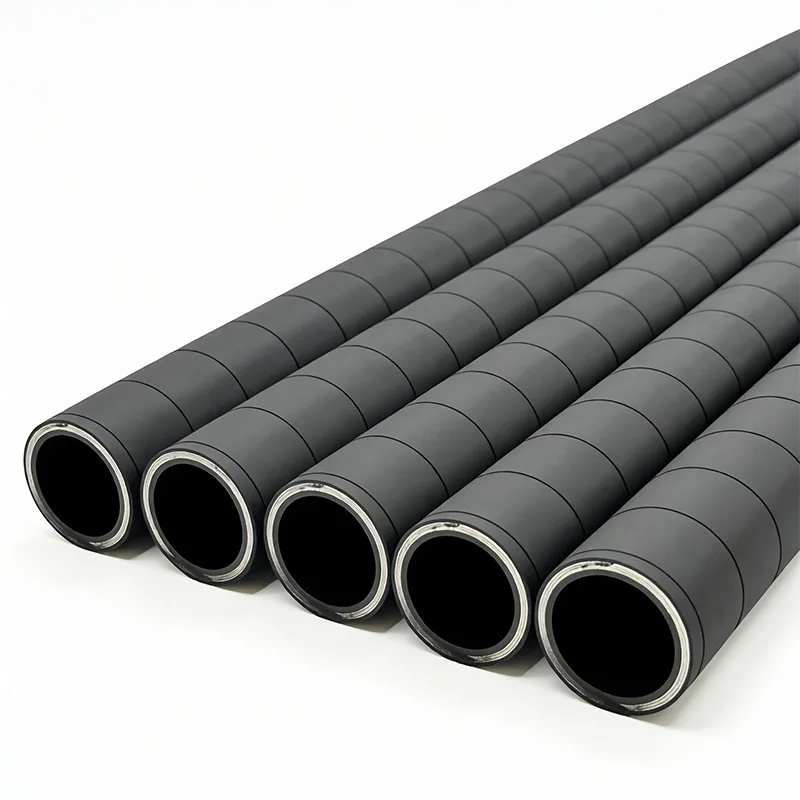
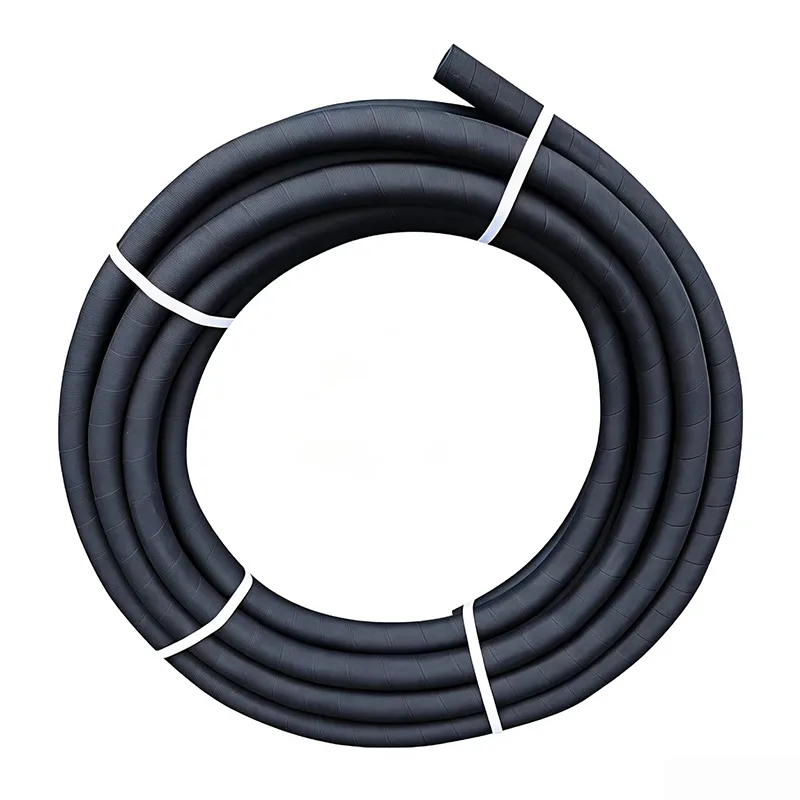
The crimping of high-pressure rubber hose joints is mainly based on the crimping process, which is the core operation to ensure a firm seal under high-pressure conditions. The specific methods and key points are as follows:
1. Preparation work
Verify the specification matching of hoses and fittings, prepare specialized crimping equipment, calibrate torque wrenches, cutting tools, etc.
Peel off the outer adhesive layer at the end of the hose according to the marked length, exposing the internal steel wire reinforcement layer, and clean the oil stains and debris at the joint and hose connection parts.
2. Core crimping operation
Fully insert the inner core of the connector into the interior of the hose, ensuring proper insertion, and align the outer sleeve with the outer rubber layer of the hose.
Adjust the die parameters of the crimping equipment, radially squeeze the sleeve according to the set shrinkage amount, so that the outer sleeve and the hose reinforcement layer form a concave convex integrated structure, achieving anti detachment and sealing effects.
After the crimping is completed, use a dedicated measuring tool to check the outer diameter after crimping and confirm that it meets the process standards.
3. Key precautions
Excessive compression is strictly prohibited during crimping to avoid breaking the steel wire skeleton inside the hose and affecting its pressure bearing capacity.
After crimping, a sealing pressure test should be conducted to confirm no leakage, and the joint threads should be checked for any slipping or deformation issues.
After the large-diameter high-pressure hose is crimped, an anti pull off limit device should be installed to prevent the joint from being pulled off under high-pressure conditions.
We use cookies to offer you a better browsing experience, analyze site traffic and personalize content. By using this site, you agree to our use of cookies. Privacy Policy