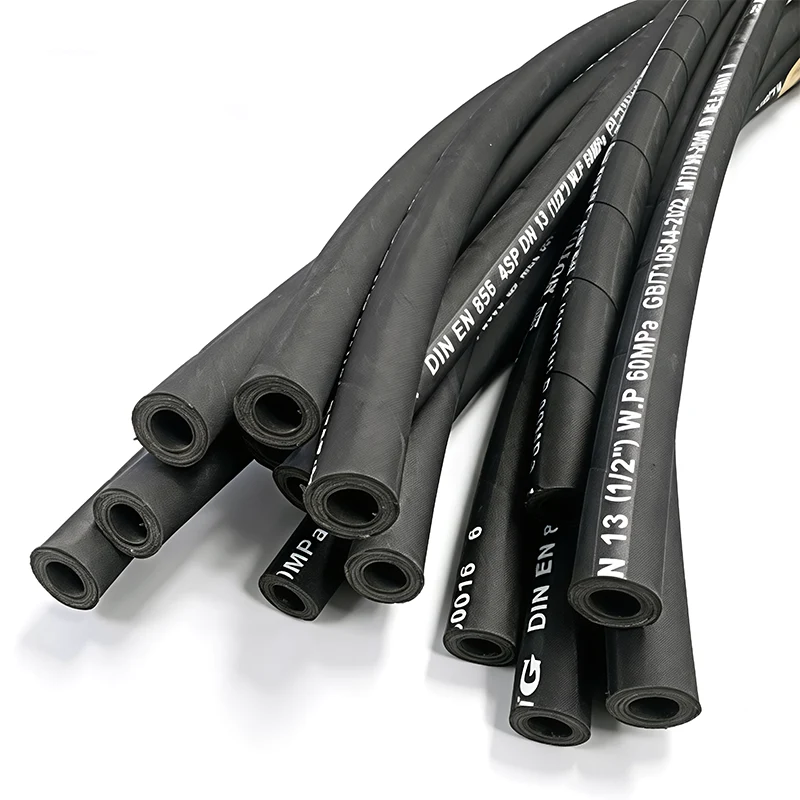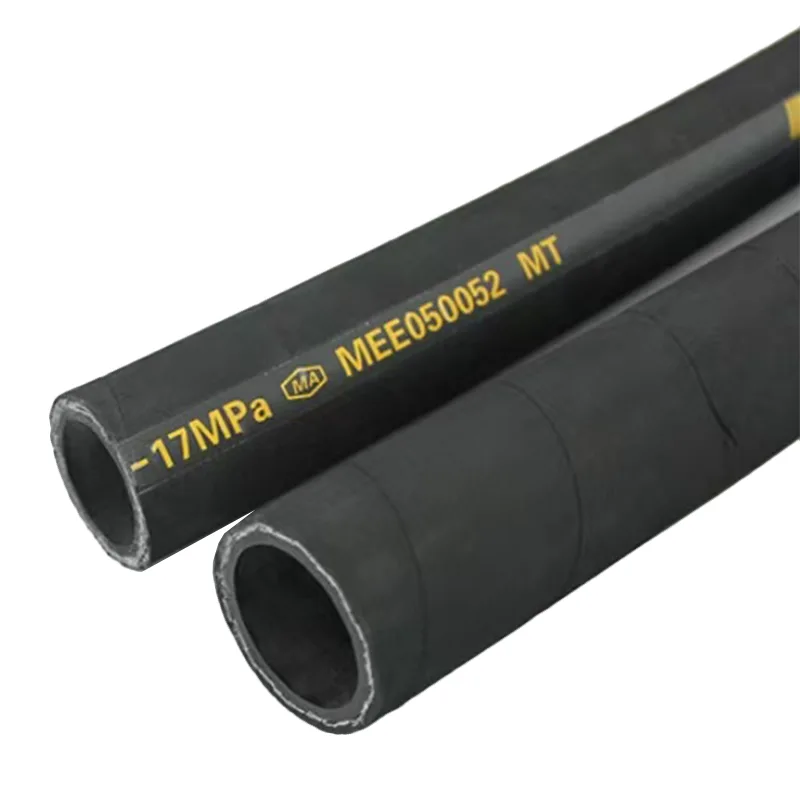

In industries such as hydraulics, mining, construction machinery, and oil and gas transport, high-pressure and low-pressure rubber hoses serve as core components of fluid conveyance systems. Many purchasing clients often confuse the two; using the wrong hose can lead to risks such as hose bursts, equipment damage, and safety accidents. As a specialized manufacturer of both high-pressure and low-pressure rubber hoses, Hebei Zhehan Rubber & Plastic Products Co., Ltd. draws upon years of manufacturing experience to outline the key differences between these hose types for overseas clients. This guidance aims to help customers make precise selections, thereby minimizing operational risks and procurement costs.

There is a fundamental difference in internal reinforcement structure between high-pressure and low-pressure hoses. High-pressure hoses utilize multiple layers of braided or spiral-wound steel wire for reinforcement; the number of wire layers determines the pressure rating, enabling the hose to withstand high impulse pressures and offering excellent impact and burst resistance. They are essential piping components for construction machinery, mining hydraulic supports, and oilfield equipment. In contrast, low-pressure hoses typically use fabric or fiber cord as their reinforcement framework rather than high-strength steel wire. Consequently, they are lighter in weight and have limited pressure resistance, making them suitable for low-pressure applications such as water transport, gas conveyance, and low-pressure oil return lines.
Pressure rating is the most direct indicator for distinguishing between high-pressure and low-pressure hoses. Low-pressure hoses generally operate at pressures below 2 MPa, making them suitable for standard ventilation, water transport, and the conveyance of low-pressure media. High-pressure hoses start with an operating pressure of 10 MPa, with some specialized spiral-wound models capable of withstanding pressures exceeding 70 MPa; they are designed for high-intensity hydraulic circuits in excavators, loaders, and large-scale mining equipment. It is crucial to note that low-pressure hoses must never be used as substitutes for high-pressure hoses in high-pressure applications, as this poses a severe risk of bursting. While high-pressure hoses can technically be used in low-pressure environments, their higher procurement cost leads to unnecessary waste; selecting the right hose for the specific application is the optimal approach.

Regarding materials and operating conditions, high-pressure hoses feature an inner layer of oil- and aging-resistant synthetic rubber and an outer layer that is abrasion- and corrosion-resistant, capable of withstanding significant temperature fluctuations; low-pressure hoses utilize rubber formulations prioritized for basic fluid transfer, with less stringent requirements for media compatibility. Hebei Zhehan Rubber & Plastic Products Co., Ltd. manufactures a comprehensive range of both high- and low-pressure hoses, including wire-braided and wire-spiral hoses, hydraulic hose assemblies, fabric-reinforced water and air hoses, and low-pressure oil transfer hoses. We offer customization for diameters, lengths, and fitting configurations; our products meet international SAE and DIN standards and serve clients in the global construction machinery, mining, and agricultural machinery sectors.
Customers often wonder how to choose between high-pressure and low-pressure hoses. The decision should be based on the equipment system's actual working pressure, the medium being conveyed, the operating temperature, and the bending requirements. High-pressure hoses are mandatory for equipment operating at high pressures or subject to pressure surges; conversely, low-pressure hoses offer a more cost-effective solution for the routine transfer of water or air. Our technical team assists overseas buyers by verifying specifications and recommending the right products to prevent selection errors and ensure the stable operation of the entire piping system.
In summary, high- and low-pressure hoses differ significantly in terms of reinforcement structure, pressure resistance, material composition, and suitable operating conditions; selection should not be based on appearance alone. As a professional domestic manufacturer of rubber and plastic hoses, Hebei Zhehan Rubber & Plastic Products Co., Ltd. consistently delivers reliable products and technical services. We welcome inquiries from global customers regarding custom specifications and bulk orders.