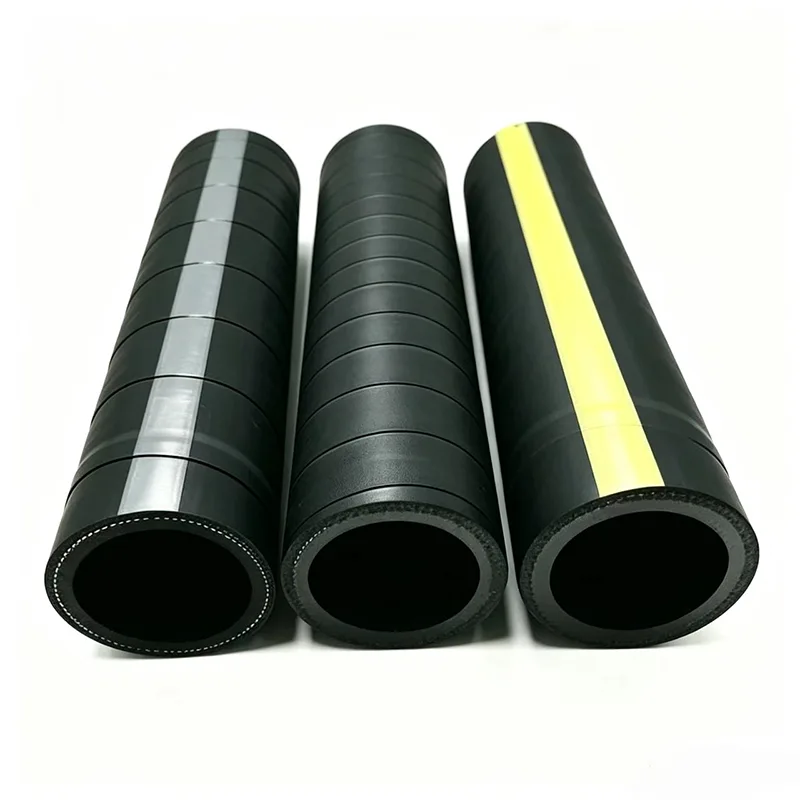
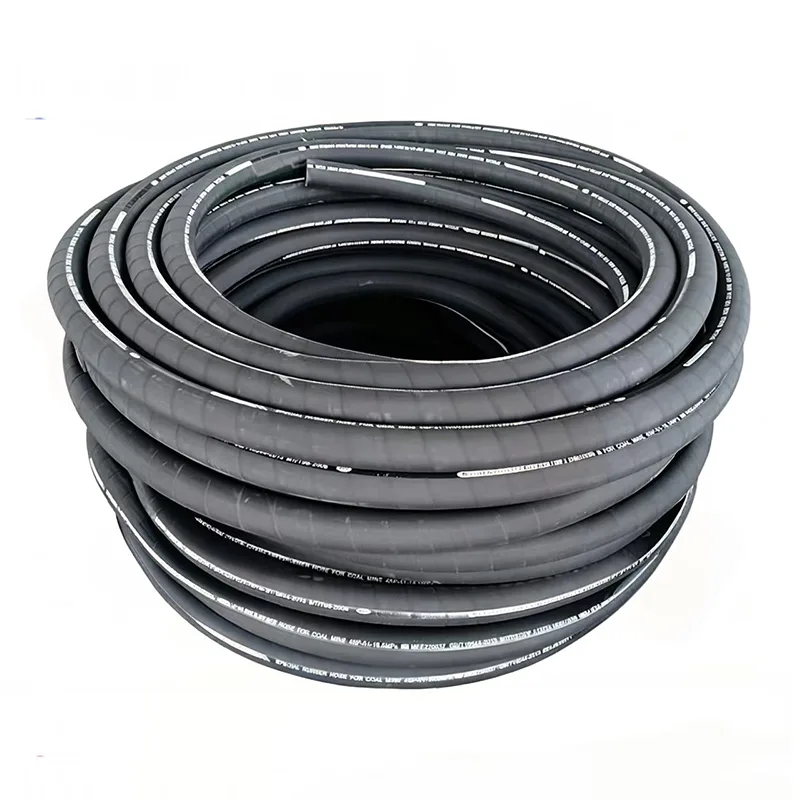
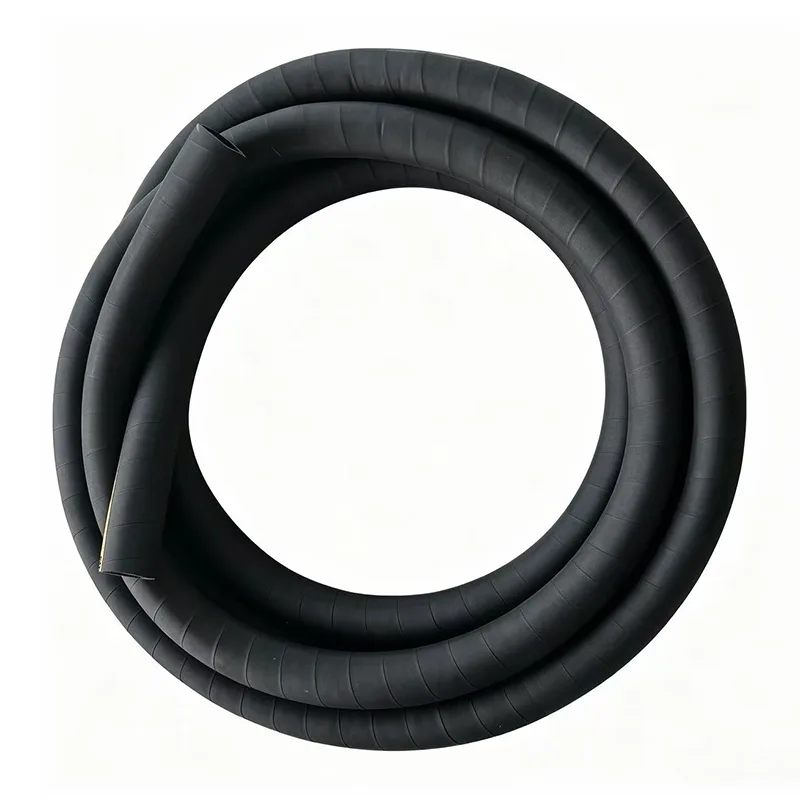
The wear between high-pressure rubber hoses and hard pipes is often caused by relative friction, sharp edge scraping due to vibration during operation, or long-term contact friction caused by unreasonable pipeline layout, which can accelerate the loss of the outer rubber layer, expose the steel wire reinforcement layer, and significantly shorten the service life of the hose. The following targeted measures can be taken to effectively protect against this:
1 Optimize pipeline layout and installation standards
Reasonably reserve slack
During installation, avoid tightening the hose too tightly, reserve sufficient expansion and contraction allowance, offset the up to 4% contraction of the hose under high pressure, and reduce the pulling friction between the hard pipe and the hose.
Avoid direct contact
When laying pipes, keep a safe distance between the flexible hose and the rigid hose, and strictly prohibit direct contact between the two to eliminate the condition of continuous friction from the root.
Control installation posture
Use the "double wrench" method to tighten the joint, refer to the markings on the pipe body to avoid twisting the hose, limit the bending action to the same plane, and prevent the hose from rubbing against the surface of the hard pipe after offsetting.
2 Install specialized fixing and protective accessories
Independent clamping fixation
Equip the hose with a specialized clamp that fits the size, clamp and fix it separately, which not only prevents the hose from shaking and rubbing against the hard pipe during operation, but also avoids damaging the outer adhesive layer due to excessive clamping.
Install wear-resistant protective cover
In the friction section where the two are easily in contact, wrap the hose with a nylon wear-resistant sleeve, wrap it with a plastic spiral wrapped sheath, or install a spring protective sleeve to completely isolate the friction surface between the hose and the hard pipe.
Dealing with sharp edges of hard pipes
Polish the burrs and sharp edges at the hard pipe interface and weld seam to eliminate the hidden dangers of scratching the outer rubber layer of the hose.
3 Selection and daily maintenance optimization
Choose high wear-resistant hoses
Prioritize the use of high-pressure rubber hoses with outer layers made of polyurethane (PU) and ultra-high molecular weight polyethylene to enhance their wear resistance from a material perspective.
Regular inspection and maintenance
Regularly inspect the outer rubber layer of the hose for signs of cracking, thinning, bulging, etc. If excessive wear is found, replace it in a timely manner to avoid the risk of minor wear turning into pipeline failure.
We use cookies to offer you a better browsing experience, analyze site traffic and personalize content. By using this site, you agree to our use of cookies. Privacy Policy