
Article Summary:
Automotive hydraulic hoses are essential components that ensure reliable fluid transmission in modern vehicles. From braking systems and power steering systems to hydraulic control units, these hoses must withstand high pressure, temperature changes, vibration, and harsh operating environments. This article explains how Automotive Hydraulic Hoses work, why quality matters, how to choose the right hose, and how manufacturers such as Hengshui Zhehan Rubber & Plastic Products Co., Ltd. help customers solve common challenges related to durability, safety, and maintenance costs.

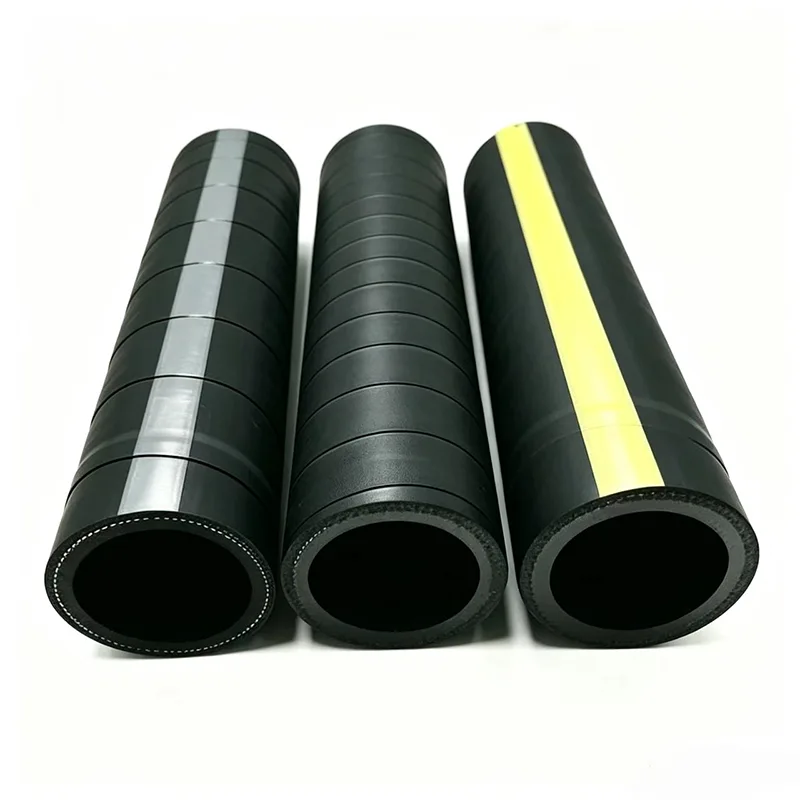
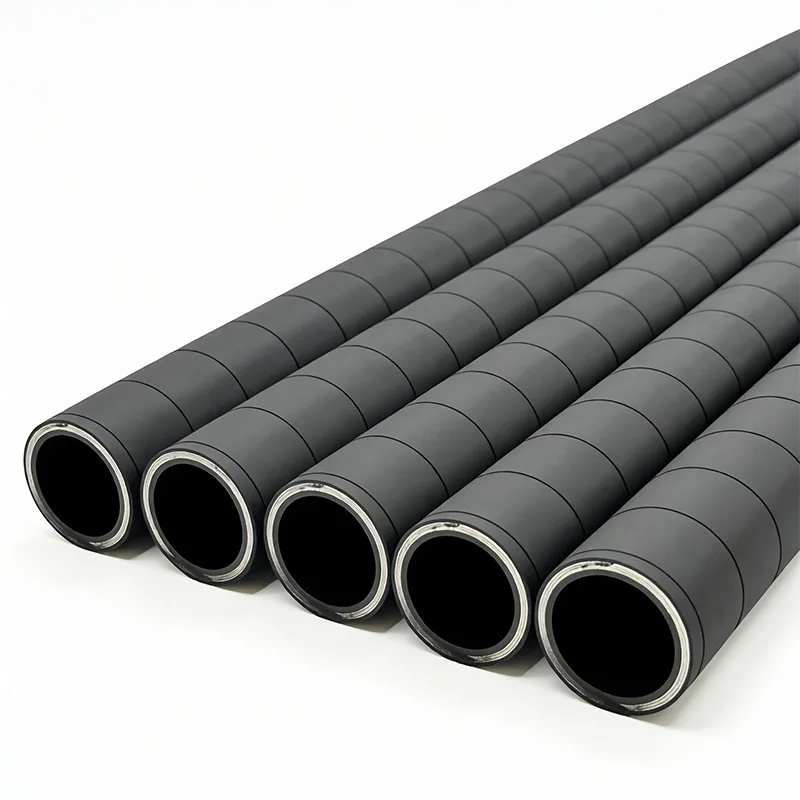
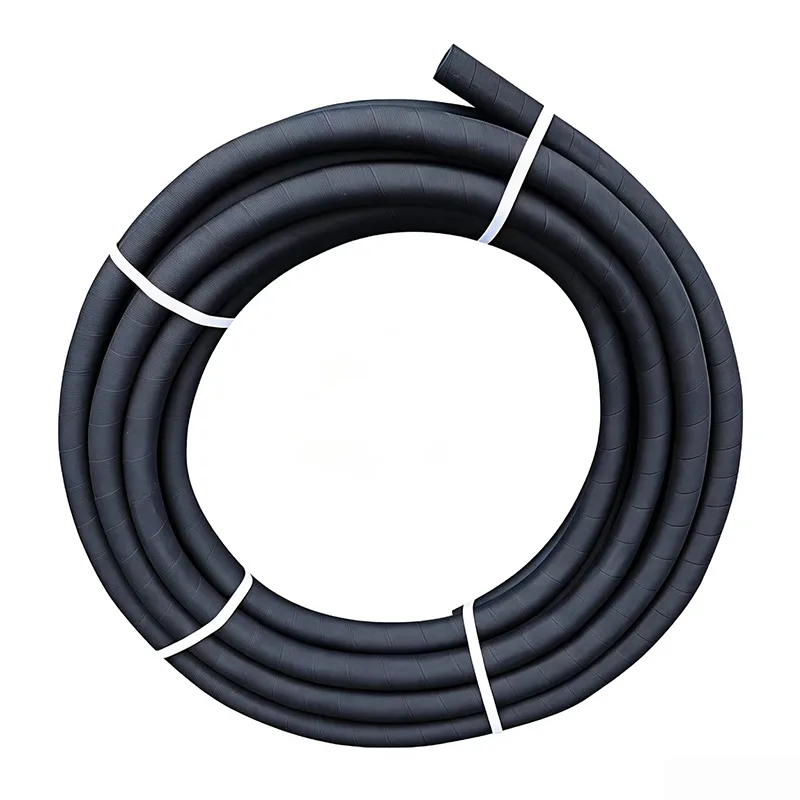
Automotive Hydraulic Hoses are flexible pressure-resistant tubes designed to transfer hydraulic fluids between different vehicle components. Unlike ordinary rubber pipes, hydraulic hoses are engineered with reinforced structures to handle demanding conditions, including high pressure, continuous movement, and extreme temperatures.
In automotive applications, hydraulic hoses are commonly used in braking systems, power steering systems, suspension systems, transmission systems, and other hydraulic control applications. Their primary function is to maintain stable fluid flow while preventing leakage and pressure loss.
A typical automotive hydraulic hose consists of multiple layers, including an inner tube that contacts hydraulic fluid, reinforcement layers that provide pressure resistance, and an outer cover that protects against abrasion, weather, oil, and environmental damage.
| Component | Main Function |
|---|---|
| Inner Tube | Transfers hydraulic fluid while resisting chemical corrosion. |
| Reinforcement Layer | Provides strength against high pressure and prevents expansion. |
| Outer Cover | Protects the hose from abrasion, heat, moisture, and aging. |
| Fittings | Connects the hose securely with vehicle hydraulic systems. |
Vehicle hydraulic systems depend on accurate pressure transmission. Even a small failure in a hydraulic hose can affect vehicle control, reduce performance, or create safety risks.
For example, brake hydraulic hoses directly influence braking efficiency. If a hose becomes cracked, swollen, or damaged, hydraulic pressure may decrease, causing slower braking response. Similarly, power steering hydraulic hoses must maintain stable pressure to ensure smooth steering operation.
High-quality Automotive Hydraulic Hoses provide several important benefits:
Professional manufacturers focus on material selection, production accuracy, and testing procedures to ensure hoses meet demanding automotive requirements. Hengshui Zhehan Rubber & Plastic Products Co., Ltd. develops automotive hose solutions designed to provide dependable performance for different vehicle applications.
Automotive Hydraulic Hoses work by transferring hydraulic fluid under controlled pressure between system components. When a driver operates a hydraulic system, such as pressing the brake pedal or turning the steering wheel, hydraulic pressure is generated and transmitted through the hose.
The hose must maintain its internal structure while handling pressure changes. The reinforcement layer prevents excessive expansion, while the flexible rubber material allows the hose to absorb vibration and movement caused by vehicle operation.
| Application Area | Hydraulic Hose Function |
|---|---|
| Brake System | Transfers brake fluid pressure to braking components. |
| Power Steering | Moves hydraulic fluid between steering components. |
| Transmission System | Supports hydraulic control and fluid circulation. |
| Suspension System | Maintains hydraulic pressure for vehicle stability. |
Many vehicle problems are related to aging or low-quality hydraulic hoses. Because these components operate under continuous pressure, selecting unsuitable hoses may result in unexpected failures.
Common problems include:
Choosing reliable Automotive Hydraulic Hoses helps vehicle owners and manufacturers avoid these problems by ensuring stable performance throughout the service life of the vehicle.
Selecting the correct hydraulic hose requires considering several technical factors. A hose should match the vehicle system requirements rather than simply focusing on price.
| Selection Factor | Why It Matters |
|---|---|
| Pressure Rating | The hose must safely handle the maximum operating pressure. |
| Temperature Resistance | Materials should remain stable in high and low temperatures. |
| Fluid Compatibility | The hose material must resist the specific hydraulic fluid. |
| Flexibility | Proper flexibility helps absorb vibration and movement. |
| Durability | Strong materials extend service life and reduce replacement costs. |
Customers should also consider whether they need standard products or customized solutions. Different vehicles may require different hose dimensions, connection types, pressure ratings, and material specifications.
High-performance hydraulic hoses provide significant advantages for vehicle manufacturers, repair businesses, and end users.
Hengshui Zhehan Rubber & Plastic Products Co., Ltd. focuses on producing dependable rubber and plastic hose solutions. Through professional manufacturing processes and strict quality control, the company provides products that meet various customer requirements.
Regular inspection is important for preventing hydraulic hose failure. Although hoses are designed for durability, continuous exposure to pressure, heat, and vibration can gradually affect performance.
Recommended maintenance practices include:
Preventive maintenance helps extend hose service life and improves overall vehicle reliability.
Choosing a professional supplier is essential when purchasing Automotive Hydraulic Hoses. Hengshui Zhehan Rubber & Plastic Products Co., Ltd. provides customers with reliable hose manufacturing capabilities and customized solutions for automotive applications.
The company understands that different customers have different requirements regarding pressure levels, sizes, materials, and application environments. By combining technical experience with manufacturing expertise, Hengshui Zhehan Rubber & Plastic Products Co., Ltd. helps customers obtain suitable hydraulic hose products for their specific needs.
The service life depends on operating conditions, material quality, pressure levels, temperature exposure, and maintenance practices. Regular inspection can help identify replacement needs before failure occurs.
Yes. High-quality hydraulic hoses are designed with materials that provide resistance against temperature variations, helping maintain stable performance in different environments.
Common causes include aging, excessive pressure, improper installation, incompatible fluids, abrasion, and extreme operating conditions.
Yes. Customized solutions can be developed according to vehicle models, pressure requirements, dimensions, and connection specifications.
A reliable supplier should have professional manufacturing experience, strict quality management procedures, technical support capability, and the ability to provide customized solutions.
Automotive Hydraulic Hoses play a critical role in maintaining vehicle safety, performance, and reliability. Choosing high-quality hoses helps prevent leakage, pressure loss, and unexpected system failures. From material selection to manufacturing precision, every detail influences product performance.
With professional experience and customer-focused solutions, Hengshui Zhehan Rubber & Plastic Products Co., Ltd. is committed to providing dependable Automotive Hydraulic Hoses for various automotive applications. If you need reliable hydraulic hose solutions with excellent performance and customized support, please contact us today for professional assistance.