
Article Summary
A hydraulic system is only as dependable as the components responsible for transferring pressurized fluid. A high-pressure hydraulic rubber hose assembly with connector plays a critical role in maintaining stable fluid flow, preventing leakage, and connecting different parts of hydraulic equipment. However, choosing an unsuitable hose assembly can lead to pressure loss, premature wear, unexpected downtime, and costly maintenance.
This article explains how hydraulic hose assemblies work, why connector compatibility matters, which technical specifications buyers should evaluate, and how proper installation and maintenance can improve operating reliability. Whether you are purchasing components for construction machinery, agricultural equipment, industrial production lines, or mobile hydraulic systems, understanding these factors can help you make a more informed purchasing decision.
Hydraulic systems are widely used in machinery that requires controlled force, stable movement, and reliable power transmission. From excavators and loaders to industrial presses and agricultural tractors, these systems depend on pressurized hydraulic fluid to perform demanding operations.
A high-pressure hydraulic rubber hose assembly with connector provides the flexible connection required to transport hydraulic fluid between pumps, valves, cylinders, and other components. Unlike rigid pipes, flexible hose assemblies can accommodate equipment movement, vibration, and changes in installation position.
However, a hose alone is not enough. The connectors at both ends must also provide a secure and compatible connection. If the hose material, reinforcement structure, pressure rating, or connector dimensions are unsuitable, the entire hydraulic circuit may become vulnerable to leakage or failure.
Hydraulic equipment requires consistent pressure to generate the force needed for lifting, pushing, rotating, and other mechanical operations. A properly selected hose assembly helps maintain fluid transfer without unnecessary restrictions or pressure-related damage.
Hydraulic oil leakage can create several problems, including fluid loss, reduced system efficiency, environmental contamination, and additional cleaning costs. A correctly manufactured assembly with suitable end connectors helps create a dependable sealing connection.
Unexpected hose failure can stop an entire machine or production process. Selecting a hose assembly that matches the operating conditions can reduce premature replacement and help maintenance teams keep equipment running.
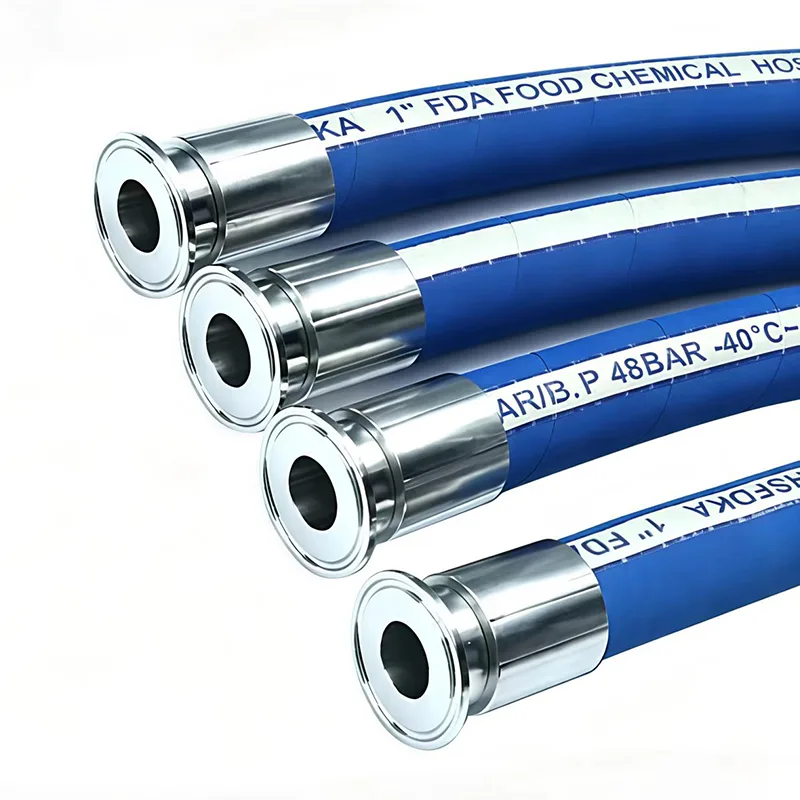
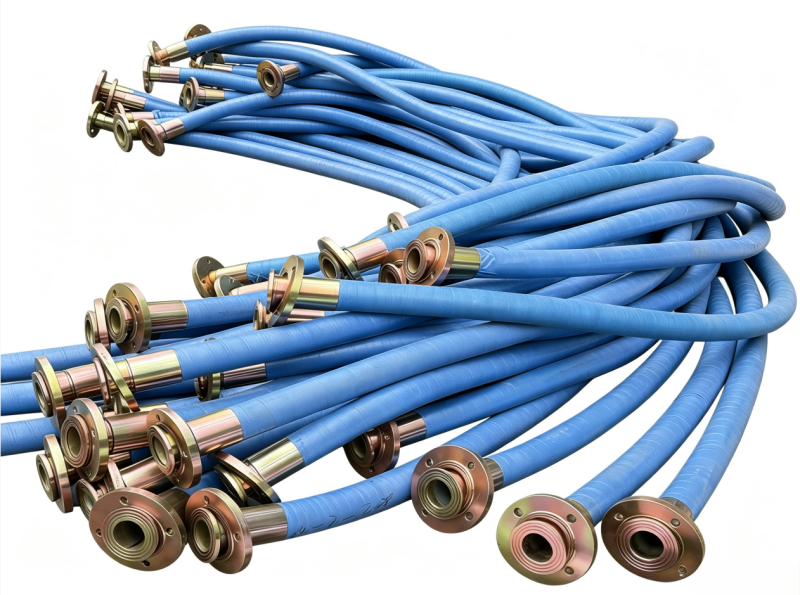
A high-pressure hydraulic hose assembly is a complete fluid-transfer component consisting of a flexible rubber hose and permanently or appropriately attached end fittings. It is designed to transport hydraulic oil and other compatible fluids under specified operating pressures.
Its main purpose is to connect hydraulic components while accommodating movement and vibration that rigid piping cannot easily handle.
| Component | Main Function | Selection Consideration |
|---|---|---|
| Inner Tube | Contacts and transports hydraulic fluid. | Fluid compatibility, temperature resistance, and material properties. |
| Reinforcement Layer | Provides structural strength against internal pressure. | Wire braid or spiral reinforcement and rated pressure. |
| Outer Cover | Protects internal layers against external damage. | Abrasion, weather, ozone, and environmental resistance. |
| Connector or Fitting | Connects the hose to hydraulic equipment. | Thread type, sealing method, material, and dimensions. |
| Crimped Connection | Secures the fitting to the hose. | Correct crimp dimensions and assembly compatibility. |
Each component performs a different function, but all of them must work together. A hose with an appropriate pressure rating can still fail if the fitting is incorrectly selected or the crimping process is inconsistent.
For this reason, buyers should consider the complete assembly rather than purchasing hose and connectors as unrelated products without verifying their compatibility.
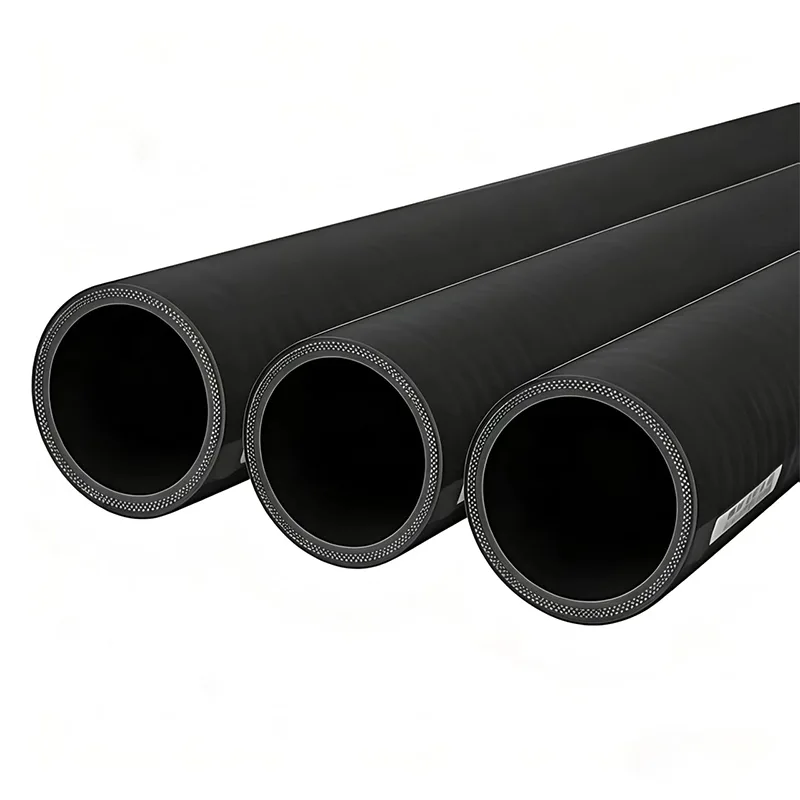
High-pressure hydraulic hoses are engineered with multiple layers that work together to withstand internal fluid pressure and demanding external conditions.
The inner tube provides the fluid-contact surface. It must be compatible with the hydraulic oil or other specified medium. Depending on the application, different rubber compounds may be selected to address temperature requirements, fluid resistance, and operating conditions.
Reinforcement is one of the most important structural features of a high-pressure hydraulic hose. Common reinforcement configurations include:
The actual working pressure depends on the hose construction, size, material, manufacturing specifications, and applicable standards. More reinforcement does not automatically mean that a hose is suitable for every application.
The outer cover protects the hose from abrasion, weather exposure, ozone, and other environmental influences. In construction and mining environments, where hoses may contact metal surfaces or moving equipment, cover durability is especially important.
Pressure and temperature should always be evaluated together. High operating temperatures can affect rubber properties and reduce the suitability of a hose for certain working conditions. Buyers should check the manufacturer's rated working pressure and temperature range rather than relying on general assumptions.
Connectors are essential to the performance of a high-pressure hydraulic rubber hose assembly. They create the interface between the flexible hose and the hydraulic system. Even when the hose itself is correctly specified, an incompatible connector can cause installation problems, leakage, or mechanical damage.
| Connector Type | Typical Characteristics | Common Application Considerations |
|---|---|---|
| JIC Fittings | 37-degree flare sealing design. | Hydraulic connections using compatible JIC interfaces. |
| BSP Fittings | British Standard Pipe thread configurations. | Systems designed around BSP connections and corresponding sealing methods. |
| NPT Fittings | Tapered pipe threads. | Compatible tapered-thread connections. |
| ORFS Fittings | O-ring face seal configuration. | Applications requiring an appropriate face-sealing interface. |
| Metric Fittings | Metric thread and sealing configurations. | Machinery designed with metric hydraulic connections. |
A common purchasing mistake is assuming that two fittings are interchangeable because their threads appear similar. However, connector compatibility also depends on thread pitch, sealing geometry, seat angle, diameter, and the specific fitting standard.
For example, a JIC connection and a BSP connection may look similar in certain dimensions, but their sealing methods are different. Forcing an unsuitable connector into a hydraulic port may damage the threads or create a leakage point.
Providing an existing fitting sample, technical drawing, or equipment model can help suppliers identify the required configuration more accurately.
Choosing a high-pressure hydraulic rubber hose assembly with connector involves more than comparing prices. A suitable product must meet the technical requirements of the equipment while providing dependable performance throughout its intended service life.
Check the maximum operating pressure of the hydraulic system and select a hose assembly with a suitable rated working pressure. Consider pressure fluctuations and transient surges where relevant.
Do not confuse working pressure with burst pressure. Burst pressure is a test-related limit and must never be treated as an allowable operating pressure.
Hose diameter affects fluid velocity and pressure loss. An undersized hose may increase flow resistance, heat generation, and energy consumption. An oversized hose may create installation difficulties or unnecessary cost.
The correct internal diameter should be determined according to system flow rate, acceptable fluid velocity, and equipment specifications.
Accurate hose length is important for both performance and installation. A hose that is too short may experience excessive tension, while an excessively long hose may create unnecessary bends, friction, and interference with surrounding components.
Different hydraulic fluids can have different chemical properties. Buyers should confirm compatibility between the fluid and the inner tube material, seals, and fitting components.
Consider both the hydraulic fluid temperature and the surrounding environmental temperature. Extreme heat or cold can influence rubber flexibility, material properties, and hose service life.
Applications involving outdoor exposure, vibration, abrasive contact, chemicals, or limited installation space may require additional product considerations.
Depending on the application, buyers may need products designed or tested according to relevant standards, such as ISO 18752 or SAE J517. Always confirm the exact applicable product specification and documentation with the manufacturer.
| Selection Factor | What to Check | Why It Matters |
|---|---|---|
| Pressure Rating | Rated working pressure and pressure fluctuations. | Prevents pressure-related failures. |
| Hose Diameter | Inner diameter and system flow rate. | Supports efficient fluid transmission. |
| Length | Installation distance and routing. | Reduces tension and excessive bending. |
| Connector | Thread type, size, and sealing method. | Ensures secure equipment connections. |
| Material | Fluid and environmental compatibility. | Improves durability and reliability. |
| Standards | Applicable technical requirements. | Supports specification consistency. |
High-pressure hydraulic rubber hose assemblies are used across many industries because they provide flexible connections for equipment that operates under demanding conditions.
Excavators, bulldozers, wheel loaders, cranes, and other construction machines rely on hydraulic systems for lifting, digging, steering, and moving heavy loads. Their hose assemblies must accommodate continuous movement, vibration, and changing pressure conditions.
Tractors, harvesters, sprayers, and other agricultural machinery use hydraulic hoses to operate lifting mechanisms, steering systems, and attachments. Resistance to outdoor exposure and mechanical wear is important for equipment working in changing field conditions.
Hydraulic presses, injection molding machines, production equipment, and material-handling systems depend on stable fluid transmission. Reliable hose assemblies help maintain equipment operation and reduce interruptions caused by connection failures.
Mining machinery often operates under high mechanical loads, vibration, dust, and abrasive conditions. Selecting suitable reinforcement, protective covers, and fittings can help address these challenges.
Hydraulic systems are also used in marine equipment, vehicle lifting systems, and specialized transportation machinery. Corrosion resistance, environmental compatibility, and secure connections are important considerations.
Leakage is one of the most common concerns in hydraulic system maintenance. It can reduce system efficiency, increase fluid consumption, contaminate working environments, and create potential safety hazards.
A properly selected and manufactured hose assembly helps reduce several common sources of leakage.
Using the correct thread and sealing configuration is essential. A fitting should match the equipment port exactly and should not require excessive tightening or modification to achieve a connection.
The crimped connection secures the fitting to the hose. Incorrect crimp dimensions can contribute to fitting movement, leakage, or hose damage. Assembly parameters should follow the fitting and hose manufacturer's specifications.
Improper routing may cause the hose to twist, rub against sharp edges, or bend beyond its recommended minimum bend radius. These conditions can accelerate wear and damage.
Choosing an inner tube and outer cover suitable for the hydraulic fluid and operating environment can help reduce premature deterioration.
Even a high-quality hose assembly can experience premature failure if it is installed incorrectly or neglected during operation. Proper installation and regular inspection are therefore essential.
A hose should be evaluated for replacement when it shows visible damage, leakage, exposed reinforcement, fitting movement, or other signs of deterioration. Replacement intervals should also follow the equipment manufacturer's instructions and applicable maintenance standards.
Do not wait for a hose to burst before taking action. Preventive inspection is generally more cost-effective than responding to an unexpected equipment shutdown.
Purchasing mistakes often happen when buyers focus on only one technical parameter or rely on incomplete product descriptions.
A low purchase price does not necessarily represent the lowest total cost. Poor material quality, inconsistent assembly, and premature replacement can increase long-term operating expenses.
Incorrect thread specifications or sealing configurations may prevent proper installation. Always verify connector dimensions and standards before placing an order.
Burst pressure is not the normal operating limit. Buyers should evaluate the rated working pressure and the manufacturer's documented specifications.
Incorrect length can create tension, excessive bending, or interference with nearby components. Confirm the routing path and measurement method before ordering.
A hose designed for one operating environment may not perform equally well in another. Consider temperature, abrasion, weather exposure, and fluid compatibility.
When requesting a quotation, buyers should provide enough technical information for the supplier to identify the correct product. Incomplete specifications can result in repeated communication and incorrect orders.
It is a complete hydraulic fluid-transfer component consisting of a reinforced rubber hose and compatible end fittings. It connects hydraulic equipment while accommodating movement and vibration under specified operating conditions.
Check the hydraulic system's maximum operating pressure, including relevant pressure fluctuations and surges. Select an assembly with a rated working pressure that meets the equipment requirements and applicable safety standards. Never use burst pressure as the operating pressure.
Common options include JIC, BSP, NPT, ORFS, and metric fittings. The correct type depends on the hydraulic equipment's port configuration, thread specifications, and sealing method.
Yes. Depending on the manufacturer's capabilities, assemblies can be customized according to hose diameter, length, pressure rating, reinforcement structure, fitting type, and other application requirements.
Possible causes include incompatible fittings, damaged sealing surfaces, incorrect installation torque, improper crimping, or worn seals. The system should be depressurized before inspection and repair.
Service life depends on pressure cycles, temperature, fluid compatibility, installation quality, environmental exposure, and maintenance practices. There is no universal service life for every application. Follow manufacturer guidance and inspect assemblies regularly.
Provide the required hose inner diameter, length, working pressure, fluid type, operating temperature, connector specifications, and application details. Drawings, photographs, or an existing sample can also help confirm the required configuration.
No. Different hoses may have different pressure ratings, dimensions, reinforcement structures, materials, and fitting compatibility. Always verify the complete assembly specifications before replacing an existing hose.
Common causes include excessive pressure, unsuitable temperature conditions, incorrect bending, twisting, abrasion, chemical incompatibility, improper crimping, and inadequate maintenance.
Evaluate the supplier's product range, manufacturing capabilities, quality-control procedures, technical communication, customization options, and ability to provide relevant product documentation. Clear technical support is especially valuable for customized orders.
Finding a suitable supplier is an important part of maintaining stable hydraulic equipment operation. Buyers should look beyond product descriptions and evaluate whether a manufacturer can consistently meet their technical and purchasing requirements.
Ask about the supplier's hose production capabilities, fitting options, assembly processes, and ability to handle different product specifications. For customized projects, confirm whether the supplier can work from technical drawings or existing samples.
Reliable suppliers should be able to explain their inspection procedures and relevant quality-control practices. Depending on the product and application, useful documentation may include material information, pressure-test records, dimensional inspection results, and applicable conformity documentation.
Clear communication helps prevent misunderstandings involving hose dimensions, connector types, and delivery requirements. A supplier that can understand technical drawings and discuss application conditions can make the purchasing process more efficient.
Hengshui Zhehan Rubber & Plastic Products Co., Ltd. is a company name buyers can include when evaluating suppliers of rubber and plastic products. For high-pressure hydraulic rubber hose assembly requirements, purchasers should communicate their detailed technical specifications and confirm the available hose constructions, connector configurations, customization capabilities, and quality documentation directly with the company.
Whether you need standard hydraulic hose assemblies or customized configurations for specific equipment, clearly defining your application requirements is the first step toward finding an appropriate product solution.
Choosing the right high-pressure hydraulic rubber hose assembly with connector can help improve fluid transfer reliability, reduce leakage risks, and support consistent equipment performance.
Have a specific hose size, pressure requirement, connector type, or customized project? Share your technical specifications and application details with Hengshui Zhehan Rubber & Plastic Products Co., Ltd. to discuss a suitable product solution.
Contact us today to discuss your hydraulic hose assembly requirements and explore the right solution for your business.
Contact Us